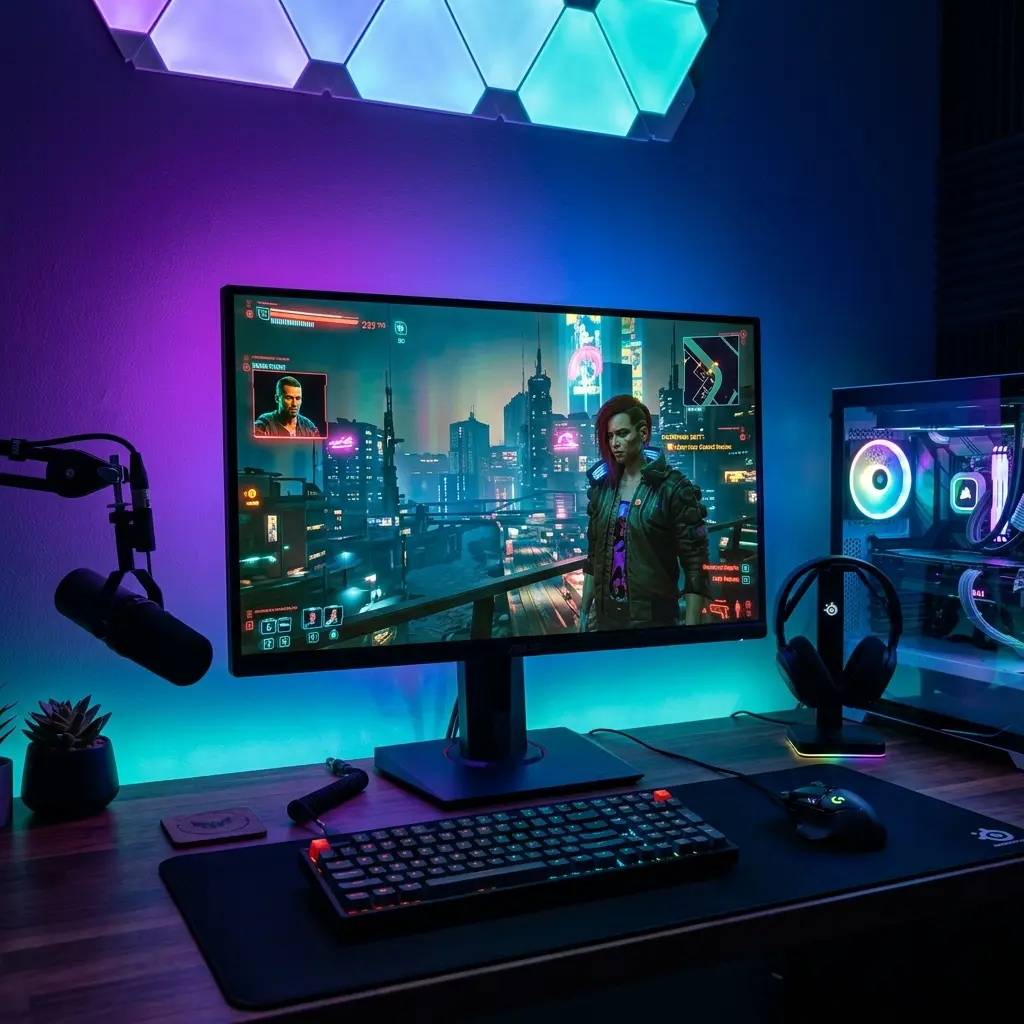
When it comes to gaming, 1440p 144Hz monitors generally provide a superior experience compared to 4K 60Hz displays.
Physical Aspects and Resolution
4K resolution, at 3840 x 2160 pixels, offers unparalleled detail and clarity, ideal for immersive gaming scenarios.
Conversely, 1440p, or QHD, at 2560 x 1440 pixels, strikes a balance between image quality and performance, ensuring less strain on graphics hardware.
Performance and Technology
144Hz refresh rates in 1440p monitors deliver smooth motion and responsiveness, crucial for fast-paced gaming.
In contrast, 4K 60Hz monitors may present issues with input lag and motion blur, particularly in competitive gaming environments.
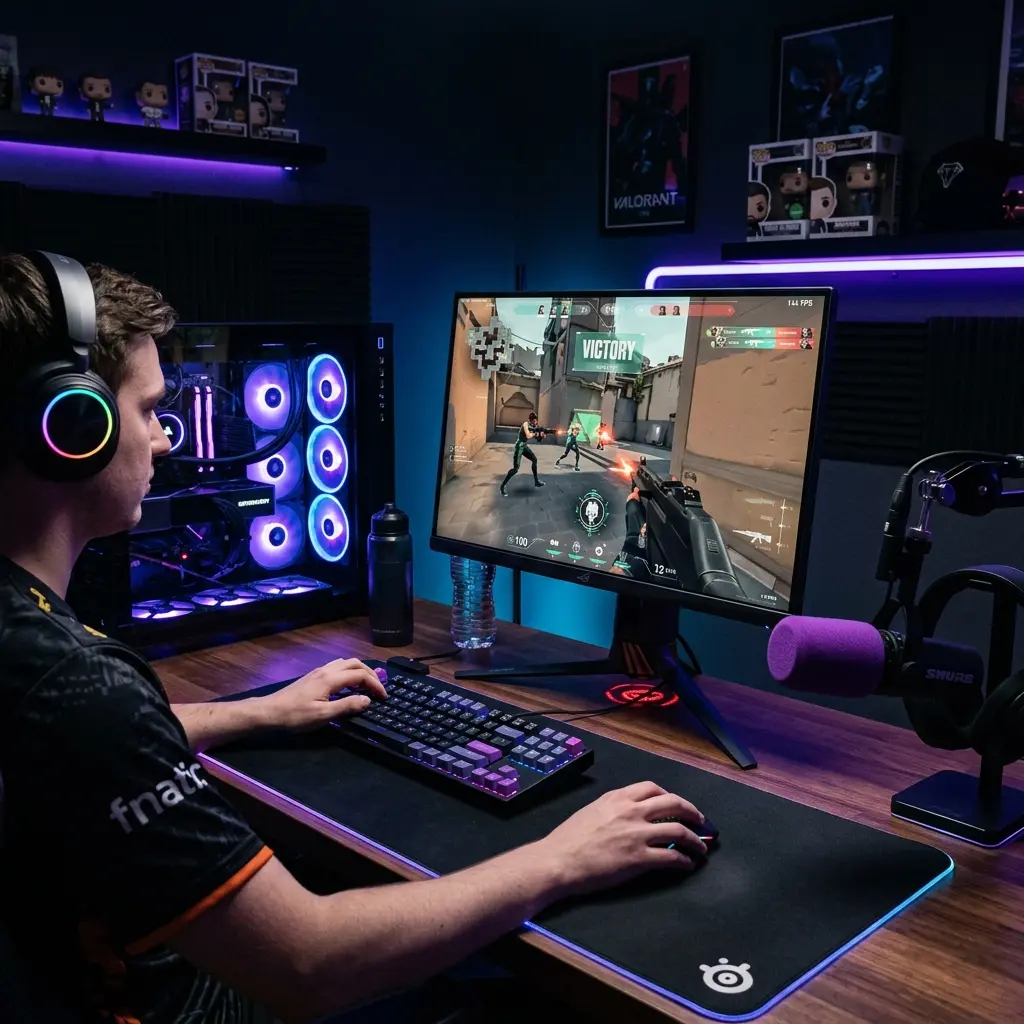
Ergonomics and Visual Comfort
1440p 144Hz monitors typically feature better ergonomics, with adjustable stands and reduced eye strain due to lower pixel density.
4K monitors can lead to fatigue during extended gaming sessions due to their increased resolution requiring more visual effort.
| Feature | 4K 60Hz | 1440p 144Hz |
|---|---|---|
| Resolution | 3840 x 2160 | 2560 x 1440 |
| Refresh Rate | 60Hz | 144Hz |
| Input Lag | Higher | Lower |
| Pixel Density | High | Moderate |
| Gaming Type | Casual | Competitive |
Materials and Durability
High-end 4K monitors often utilize premium materials, enhancing durability and aesthetic quality.
However, many 1440p monitors are designed with robust materials to withstand intense gaming use, ensuring longevity.
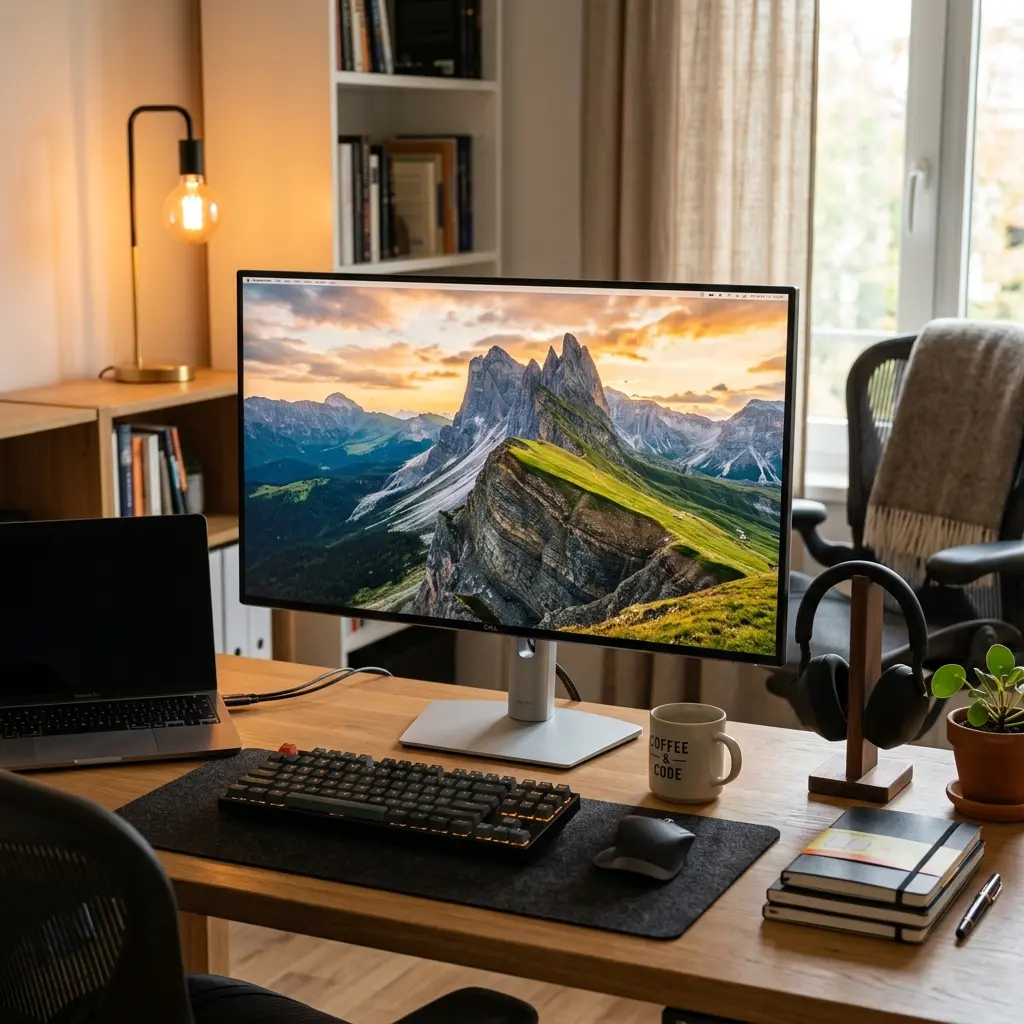
DomineTec Tip: Consider using a monitor arm for better ergonomic positioning and more desk space.
Buying Recommendations and Brands
Popular brands for 1440p 144Hz include ASUS, Dell, and Acer, known for their gaming performance and reliability.
For 4K options, LG, Samsung, and Sony offer high-quality displays, though they cater more to casual users than competitive gamers.
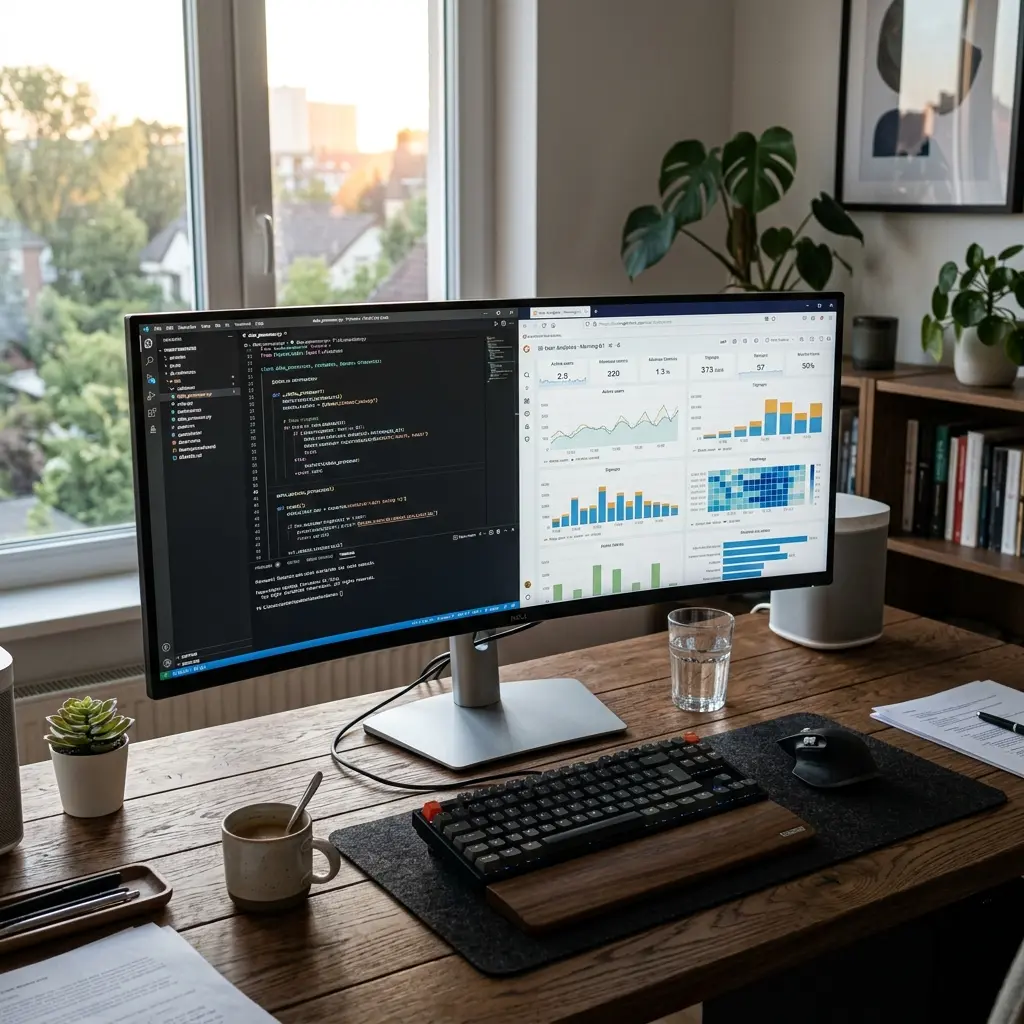
- Assess gaming preferences: casual vs competitive.
- Evaluate hardware capabilities to support 4K or 1440p resolutions.
- Consider ergonomics and desk space for monitor setup.
- Research brands and read user reviews for reliability.
- Look for additional features like G-Sync or FreeSync for enhanced performance.
Value Analysis and Verdict
1440p 144Hz monitors typically offer better value for competitive gamers, balancing performance and cost.
4K 60Hz may appeal to those prioritizing resolution and detail over refresh rates, ideal for cinematic experiences.
Game Genre Suitability
The choice between 4K 60Hz and 1440p 144Hz can significantly vary depending on the genre of games played. Fast-paced games, such as first-person shooters (FPS) and battle royale titles, often benefit from higher refresh rates.
In these genres, a 144Hz monitor provides smoother motion and reduced input lag, enhancing the competitive edge by allowing quicker reactions.
Conversely, slower-paced games, like role-playing games (RPGs) and strategy games, may not require the same level of refresh rate, making 4K resolution more appealing for its detail and immersion.
Ultimately, the decision should align with the types of games most frequently played to ensure the best gaming experience.
Hardware Requirements
The hardware requirements differ significantly between 4K 60Hz and 1440p 144Hz gaming setups. Running games at 4K resolution demands a powerful GPU, capable of rendering at higher pixel counts.
High-end graphics cards, such as the NVIDIA RTX 3080 or AMD RX 6800 XT, are typically needed to maintain stable frame rates at 4K.
On the other hand, 1440p 144Hz gaming can be achieved with mid-range graphics cards, allowing for a broader range of budget options without sacrificing performance.
This disparity in hardware requirements is crucial for gamers considering upgrades or new builds, as it influences overall costs and system compatibility.
Latency and Input Response
Latency and input response are critical factors in gaming performance, particularly for competitive gamers. 144Hz monitors often feature lower input lag, making them ideal for fast-paced gaming scenarios.
With more frequent refresh cycles, these monitors can display changes in the game faster, resulting in a more responsive gameplay experience.
In contrast, while 4K monitors have improved over time, they may still exhibit higher latency due to the increased resolution processing, which can affect gameplay perception.
Understanding the importance of latency can help gamers prioritize refresh rates over resolution for a competitive advantage.
Future-Proofing and Trends
When considering future-proofing, it's essential to analyze market trends in gaming technology. As newer titles continue to push graphical boundaries, 4K gaming is becoming increasingly mainstream.
Investing in a 4K 60Hz monitor could offer longevity, particularly as more games are optimized for higher resolutions.
However, the growing popularity of 144Hz monitors, especially in eSports and competitive gaming, suggests that high refresh rates may remain relevant for the foreseeable future.
Gamers should weigh their preferences and anticipated gaming trends when deciding on their monitor purchase to ensure it meets future demands.
Visual Fidelity and Detail
Visual fidelity plays a vital role in the overall gaming experience, especially in visually rich games. 4K resolution offers four times the pixel density of 1080p, allowing for stunning detail and clarity.
This enhanced visual fidelity can immerse players in expansive worlds, making it particularly appealing for games with intricate graphics and environments.
On the other hand, 1440p resolution still provides a high level of detail while allowing for higher frame rates, which can enhance gameplay smoothness.
Ultimately, the choice between these resolutions depends on personal preference for visual detail versus fluidity in motion.
Gaming Experience and Immersion
The gaming experience can vary widely between 4K 60Hz and 1440p 144Hz setups. 4K monitors deliver an unparalleled level of immersion with detailed textures and environments, making them ideal for single-player campaigns.
Players can appreciate the nuances of game design, from character models to scenic backdrops, enhancing overall engagement.
However, for multiplayer and competitive gaming, the immersive experience may be compromised if the higher refresh rate of 1440p leads to smoother, more responsive gameplay.
Gamers should consider their preferred gaming environments to determine which display provides the most fulfilling experience.
Community and Support
The gaming community plays a significant role in shaping preferences for display technology. Online forums and communities often share insights about the advantages of 4K versus 1440p gaming.
These discussions can provide valuable perspectives and personal experiences that inform purchasing decisions.
Support from manufacturers also varies, with some brands focusing heavily on optimizing their products for high refresh rates, while others may center on enhancing resolution capabilities.
Analyzing community feedback and manufacturer support can help gamers navigate their options and make informed choices in a rapidly evolving market.
Cost of Ownership and Long-Term Investment
When considering a gaming setup, the initial cost of hardware is just one part of the equation; the long-term investment and ongoing costs also play a significant role.
4K 60Hz monitors typically come at a higher price point compared to 1440p 144Hz options, which can affect budget allocations for additional gaming peripherals and upgrades.
Moreover, the potential need for more powerful GPUs to run games at 4K resolution may lead to increased electricity costs and more frequent hardware upgrades.
In contrast, a 1440p 144Hz setup often allows for a balance between high performance and cost-effectiveness, enabling gamers to invest in other aspects of their gaming experience.
Compatibility with Existing Systems
Compatibility with existing systems is a crucial factor when choosing between 4K 60Hz and 1440p 144Hz displays, particularly for gamers with older hardware.
Many older graphics cards may struggle to achieve the frame rates necessary for a smooth 4K gaming experience, whereas 1440p 144Hz monitors can be effectively paired with a wider range of GPU models.
Additionally, gamers using consoles may find that 1440p resolutions offer a better compromise between performance and visual fidelity, particularly since many current-gen consoles support 1440p output.
This compatibility aspect can often tip the scales in favor of 1440p 144Hz setups, especially for gamers not looking to upgrade their entire system immediately.
Impact on Competitive Gaming
Competitive gaming often demands high frame rates and quick responsiveness, making refresh rates a significant determinant in performance.
1440p 144Hz monitors provide the high refresh rates that competitive gamers require, offering smoother gameplay and improved reaction times, which can be crucial in fast-paced games.
On the other hand, while 4K 60Hz displays offer stunning visuals, the lower refresh rate may hinder competitive performance, particularly in genres requiring split-second decision-making.
Consequently, for gamers who prioritize competition over graphics quality, the advantages of 1440p 144Hz may outweigh the visual fidelity of 4K resolutions.
Personal Preferences and Gaming Styles
Personal preferences and individual gaming styles significantly influence the decision between 4K 60Hz and 1440p 144Hz displays.
Gamers who prioritize graphics and cinematic experiences may prefer the lush visuals of 4K, while those focused on competitive play may lean toward the performance benefits of 1440p.
Additionally, the types of games played can affect preferences, with single-player titles often benefiting from higher resolutions, while multiplayer games gain from higher refresh rates.
Ultimately, understanding one’s gaming habits and preferences is essential in making an informed choice between these two popular display options.
Refresh Rate Benefits Beyond Gaming
While refresh rate is often discussed in the context of gaming performance, its benefits extend into other areas, such as general computer use and multimedia consumption. A higher refresh rate provides smoother scrolling and more fluid animations, which can enhance productivity during tasks like video editing or graphic design.
Additionally, for users who frequently watch high-frame-rate videos, a higher refresh rate monitor can deliver a more enjoyable viewing experience. This can be particularly noticeable in fast-paced action scenes or sports, where motion blur can detract from visual clarity.
Moreover, a monitor with a higher refresh rate can reduce eye strain during long periods of use. The smoother motion allows for easier tracking of moving objects, which is beneficial for both gaming and non-gaming activities alike.
As a result, choosing a 144Hz monitor may offer advantages that go beyond gaming, making it a versatile option for a variety of users looking for enhanced visual performance in their daily activities.
Impact of Resolution on GPU Load
Resolution plays a significant role in determining the graphical load on a GPU, with higher resolutions requiring more processing power. A 4K display demands significantly more from a graphics card compared to a 1440p monitor, impacting frame rates and overall performance.
This increased demand can lead to thermal throttling, particularly in mid-range or lower-end GPUs, which may struggle to maintain high frame rates at 4K resolutions. In contrast, a 1440p resolution allows for a more balanced load, enabling higher frame rates even on less powerful hardware.
Furthermore, players using 4K displays may need to invest in more robust graphics solutions, potentially increasing their overall gaming setup costs. This consideration is crucial for gamers on a budget or those who prefer to upgrade their systems incrementally.
Ultimately, understanding how resolution impacts GPU load helps gamers make informed decisions based on their existing hardware capabilities and gaming preferences, ensuring they achieve the best possible experience without unnecessary expenditure.
Adaptability and Versatility
The adaptability of a display plays a crucial role in determining its value for gamers. 4K 60Hz monitors are generally more suited for a variety of multimedia tasks beyond gaming, including video editing and graphic design, due to their high resolution. This makes them a versatile choice for users who require high visual fidelity across different applications.
On the other hand, 1440p 144Hz monitors shine in gaming but may fall short in other areas like professional content creation. Their higher refresh rates allow for smoother gameplay, which is essential for competitive titles, but they might not deliver the same level of detail for tasks requiring precision, such as photo editing.
Moreover, 4K displays often come equipped with advanced features such as HDR (High Dynamic Range), which enhances color and contrast. This makes them more adaptable for watching movies and streaming content, widening their appeal beyond just gaming. In contrast, 1440p 144Hz monitors may focus more on performance, sacrificing some visual enhancements for speed.
Ultimately, the choice between these two resolutions should consider the user’s primary activities and whether they value versatility and high resolution over frame rate and gaming performance.
Impact on System Performance and Optimization
The impact of display resolution and refresh rate on overall system performance cannot be understated. A 4K 60Hz monitor demands significantly more from the GPU, requiring advanced hardware to maintain optimal performance in modern games. This often necessitates a powerful graphics card, which can lead to higher costs and potential upgrades.
Conversely, a 1440p 144Hz monitor allows for a more balanced approach, where mid-tier GPUs can still deliver satisfactory performance. This makes it a more appealing option for gamers looking to optimize their setup without incurring excessive costs. The lower resolution means that the GPU can push higher frame rates, resulting in a more responsive gaming experience.
Additionally, optimization for specific settings can vary greatly between the two resolutions. Many gamers may find that lowering certain graphic settings can yield a more fluid experience at 1440p without sacrificing visual quality significantly. In contrast, maintaining high settings on a 4K display can result in noticeable drops in frame rates, affecting gameplay.
As game developers continue to fine-tune their titles, understanding the system performance implications of resolution and refresh rate becomes essential. Gamers should consider their current hardware capabilities and future upgrade paths when making a choice between 4K 60Hz and 1440p 144Hz monitors.
Frequently Asked Questions
Is 4K gaming worth it?
4K gaming offers stunning visuals, but requires powerful hardware to maintain high frame rates, making it less practical for competitive play.
Can a 144Hz monitor display 4K?
Most 144Hz monitors are limited to 1440p resolution; however, some high-end models can support 4K at lower refresh rates.
What graphics card is needed for 4K gaming?
A robust graphics card, such as the NVIDIA RTX 3080 or AMD Radeon RX 6800 XT, is generally required for smooth 4K gaming.
Are 1440p monitors better for esports?
Yes, 1440p monitors with high refresh rates are favored in esports for their reduced input lag and smoother gameplay.
How much should one spend on a gaming monitor?
Budgeting for gaming monitors typically ranges from $300 to $1,000, depending on resolution and refresh rate preferences.




