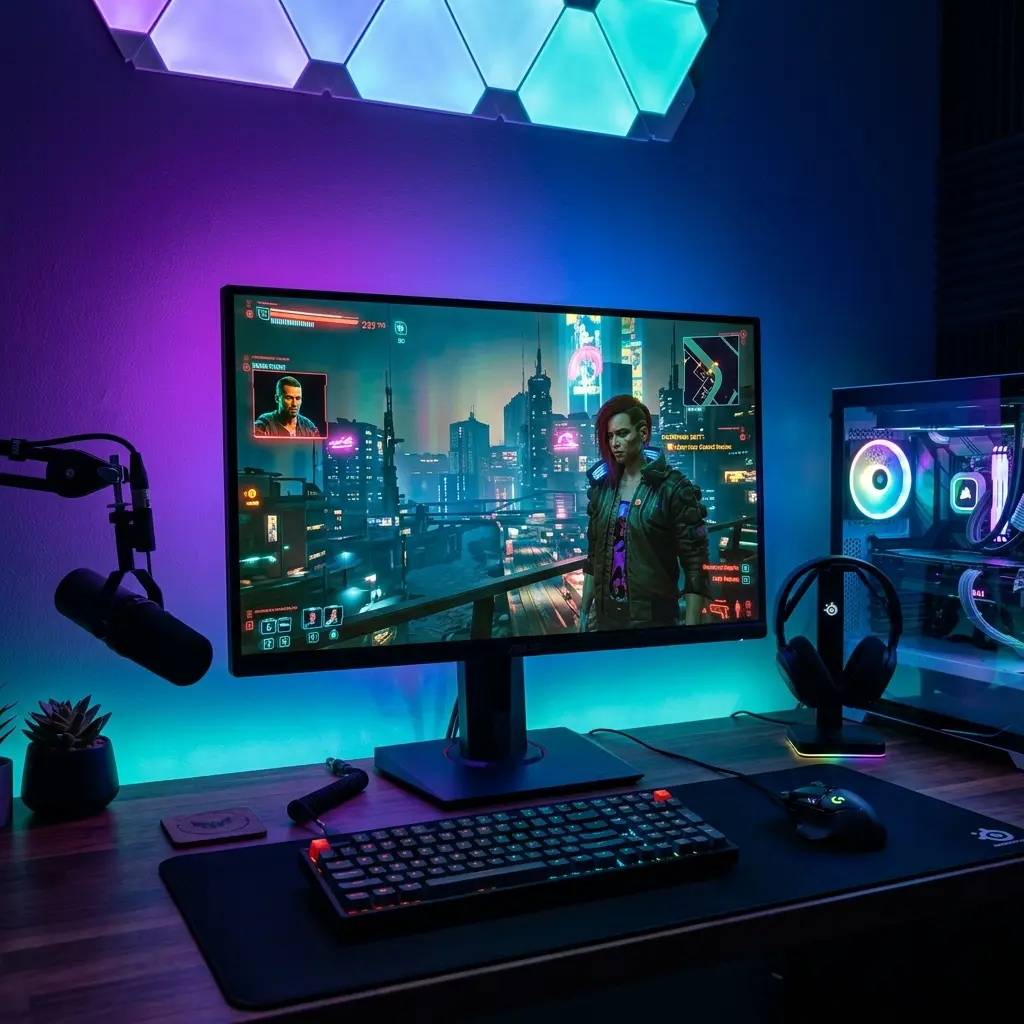
Discover the best 34-inch curved monitors designed for enhanced work and productivity, offering immersive experiences and superior performance.
Physical Aspects and Resolution
Most 34-inch curved monitors feature a 21:9 aspect ratio, providing a wider field of view compared to standard displays.
Common resolutions include WQHD (3440x1440) and UWQHD (3840x1600), delivering crisp visuals and ample screen real estate for multitasking.
Performance and Technology
Modern curved monitors utilize VA or IPS panel technologies, ensuring vibrant color reproduction and excellent contrast ratios.
Refresh rates typically range from 60Hz to 144Hz, enhancing fluidity during fast-paced applications or video playback.
Ergonomics and Visual Comfort
Curved screens naturally follow the curvature of the human eye, reducing strain during prolonged use.
Features such as flicker-free technology and low blue light modes promote visual comfort, preventing fatigue during long working hours.
| Model | Resolution | Refresh Rate | Panel Type | Curvature |
|---|---|---|---|---|
| Samsung Odyssey G5 | 2560x1440 | 144Hz | VA | 1000R |
| LG UltraWide 34WN80C-B | 3440x1440 | 60Hz | IPS | 1800R |
| Acer Predator X34 | 3440x1440 | 100Hz | IPS | 1900R |
| ASUS ROG Strix XG349C | 3440x1440 | 180Hz | IPS | 1800R |
Materials and Durability
Many 34-inch curved monitors are built with robust plastic or aluminum housings, ensuring long-lasting durability and stability.
Screen coatings often include anti-glare and anti-fingerprint finishes, maintaining clarity and reducing distractions during use.

DomineTec Tip: Adjust the monitor height to eye level, and maintain a distance of about an arm's length to optimize ergonomics.
Buying Recommendations and Brands
Leading brands in the curved monitor market include Samsung, LG, Acer, and ASUS, known for their reliable performance and innovative features.
Prioritize models with adjustable stands, as height, tilt, and swivel adjustments greatly enhance comfort and usability.
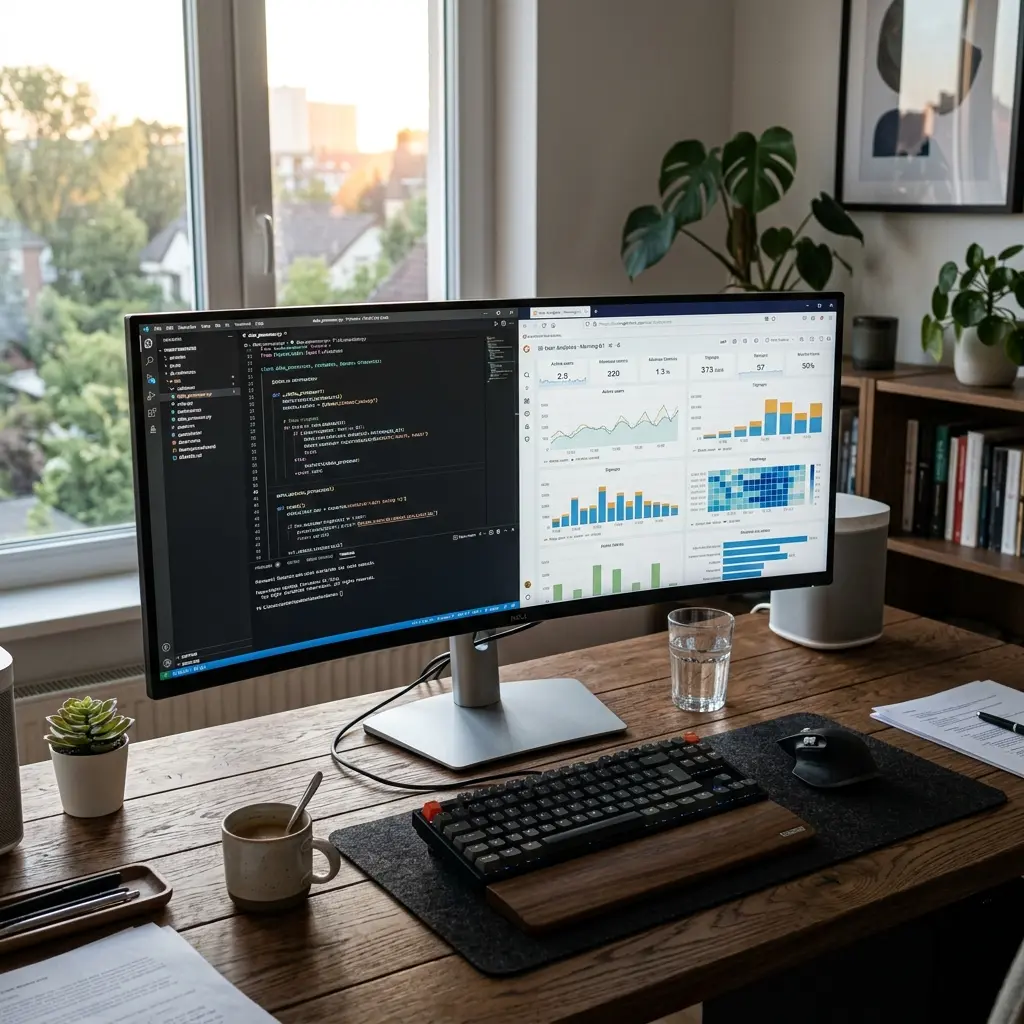
- Determine the primary use case: gaming, design work, or general productivity.
- Evaluate resolution needs based on the type of work or entertainment.
- Consider refresh rate for smooth performance, especially in gaming.
- Check for ergonomic features like height adjustment and curvature.
- Compare warranties and customer support services from different brands.
Value Analysis and Verdict
The investment in a high-quality 34-inch curved monitor can significantly enhance productivity and overall work quality.
Evaluating features against budget ensures a smart purchase, balancing performance and functionality for specific needs.
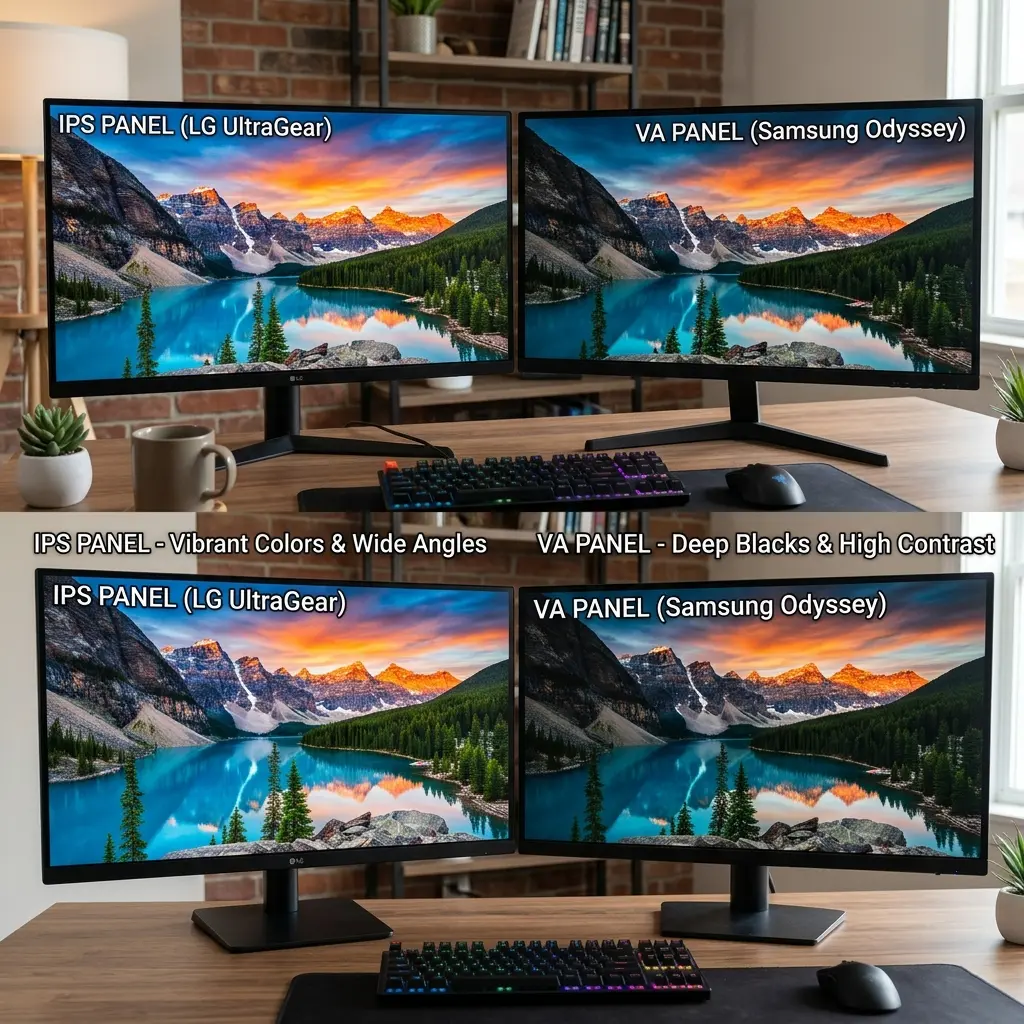
Color Accuracy and Calibration
Color accuracy is paramount for professionals engaged in graphic design, video editing, or any task where precise color representation is crucial.
Many 34-inch curved monitors boast high color gamut coverage, including sRGB, Adobe RGB, and DCI-P3, making them ideal for creative work.
Calibration tools and software allow users to fine-tune color settings, ensuring that the monitor displays true-to-life colors.
Regular calibration is recommended to maintain consistent color accuracy over time, particularly in professional environments.
Connectivity Options
The variety of connectivity options available on 34-inch curved monitors significantly impacts their usability in diverse work setups.
Most models come equipped with HDMI, DisplayPort, and USB-C ports, facilitating seamless connections to laptops and desktops.
Some monitors also include built-in USB hubs that allow users to connect peripherals directly, reducing cable clutter on the desk.
Choosing a monitor with multiple connectivity options ensures compatibility with a range of devices and future-proofing for tech upgrades.
Multi-Tasking Features
34-inch curved monitors are particularly well-suited for multitasking, thanks to their expansive screen real estate and innovative features.
Many models come with Picture-in-Picture (PiP) and Picture-by-Picture (PbP) functionalities, enabling users to view multiple sources simultaneously.
This is especially beneficial for professionals who need to monitor several applications or data streams at once without switching windows constantly.
Enhanced split-screen options can further improve workflow efficiency, making these monitors ideal for productivity-focused tasks.
Gaming Capabilities
While primarily designed for work, many 34-inch curved monitors also offer impressive gaming capabilities that enhance leisure time post-work hours.
With high refresh rates and low response times, these monitors provide smooth visuals and reduced motion blur during fast-paced gaming sessions.
Adaptive synchronization technologies, such as FreeSync and G-Sync, help eliminate screen tearing and stuttering, creating a more immersive gaming experience.
Investing in a monitor that balances both work and play can maximize the value and versatility of the purchase.
Environmental Considerations
As sustainability becomes an essential factor in purchasing decisions, understanding the environmental impact of monitors is crucial.
Many 34-inch curved monitors are designed with energy efficiency in mind, featuring low power consumption and eco-friendly materials.
Devices that are ENERGY STAR certified indicate a commitment to reducing energy use while maintaining high performance.
Consumers are increasingly looking for monitors that align with environmental values, making sustainability a key consideration in the selection process.
User Reviews and Community Feedback
User reviews provide invaluable insights into the real-world performance and reliability of 34-inch curved monitors.
Online forums and tech review sites often feature discussions that highlight both the strengths and weaknesses of specific models.
Analyzing community feedback can help prospective buyers make informed decisions, avoiding potential pitfalls associated with certain products.
Engaging with user experiences can also offer tips and tricks for optimizing monitor settings and enhancing productivity.
Future Trends in Monitor Technology
The field of monitor technology is continuously evolving, with emerging trends influencing the design and functionality of 34-inch curved monitors.
Advancements in OLED and Mini-LED technologies promise better contrast ratios, deeper blacks, and improved color depth, revolutionizing visual experiences.
Increased integration of artificial intelligence for automatic adjustments and features tailored to user preferences is also on the horizon.
Keeping an eye on these trends will help consumers stay informed about which features to prioritize in their next monitor purchase.
Energy Efficiency and Power Consumption
Energy efficiency is becoming an increasingly important factor in the selection of monitors, particularly for users who spend long hours in front of screens. Many modern 34-inch curved monitors are designed with energy-saving technologies that reduce power consumption while maintaining performance.
When evaluating energy efficiency, look for monitors that are certified by Energy Star or similar organizations, as these certifications indicate compliance with stringent energy-saving guidelines. Additionally, consider the monitor's power consumption in both active and standby modes to ensure lower energy bills over time.
It is also worth noting that LED backlighting technology, commonly found in contemporary monitors, contributes to lower power usage compared to traditional LCD monitors. This makes them not only eco-friendly but also cost-effective in the long run.
Understanding the energy consumption ratings can help users make informed decisions, especially in corporate environments where multiple monitors can significantly impact electricity costs.
Customization and User Settings
Customization features in 34-inch curved monitors can significantly enhance user experience and productivity. Many monitors come equipped with software that allows users to adjust settings such as brightness, contrast, and color profiles to suit their preferences and working environments.
Some models also offer customizable presets for different activities, such as gaming, photo editing, or reading, allowing users to switch between settings quickly. This level of personalization can lead to improved comfort and efficiency during prolonged use.
Advanced features may include the ability to adjust the curvature of the screen digitally, providing options for a more immersive experience tailored to specific tasks. Additionally, user-configurable layouts for multi-tasking can enhance productivity by allowing users to allocate screen space according to their workflow.
Overall, the ability to customize settings not only improves user comfort but also optimizes the monitor for various applications, making it a vital feature for work and productivity.
Software Integration and Compatibility
Software integration is another critical aspect to consider when selecting a 34-inch curved monitor for work. Many modern monitors are designed to seamlessly integrate with various operating systems and productivity software, enhancing usability.
Compatibility with screen management software can allow users to easily arrange multiple windows, making multitasking more efficient. Programs that allow for split-screen functionality can be particularly beneficial in a work environment where users need to access several applications simultaneously.
Additionally, some monitors offer built-in features like picture-in-picture (PiP) or picture-by-picture (PbP) modes, which can facilitate viewing content from different sources without the need for additional hardware. This flexibility can streamline workflows and improve overall efficiency.
Software updates and support are also essential, as manufacturers may release patches that improve functionality or compatibility with new applications. Therefore, ensuring that the monitor’s software is regularly updated can maintain optimal performance over time.
Portability and Space Considerations
While 34-inch curved monitors are typically designed for stationary use, portability remains an essential consideration for professionals who may need to relocate their setup frequently. Understanding the weight and dimensions of a monitor can help users determine its suitability for different environments.
Some monitors come with features such as detachable stands or VESA mount compatibility, allowing for easier transport and installation in various locations. This can be especially useful for remote workers or those who travel to client sites.
Furthermore, the overall footprint of the monitor should be considered, as larger screens may require substantial desk space. Users should evaluate their work environment and ensure they have adequate room to accommodate a 34-inch curved monitor without compromising comfort or accessibility.
Ultimately, the portability and space requirements of a monitor can significantly influence its practicality for work and productivity, and users should carefully assess their individual needs before making a purchase.
Impact on Workflow Efficiency
The impact of a 34-inch curved monitor on workflow efficiency can be profound, particularly for professionals engaged in data analysis, design, or programming. The expansive screen real estate allows for more information to be displayed simultaneously, reducing the need for excessive window switching.
With a larger field of view, users can easily access multiple applications, which can streamline processes and minimize distractions. This can lead to improved focus and higher productivity levels, especially in tasks that require constant reference to multiple data sources.
Furthermore, the immersive experience provided by a curved screen can enhance user engagement, making it easier to concentrate on complex tasks. This aspect is particularly beneficial for creative professionals who need to immerse themselves in their work.
In conclusion, a 34-inch curved monitor can significantly enhance workflow efficiency by providing a more organized and immersive working environment, ultimately leading to better results in professional settings.
Advanced Display Technologies
Recent advancements in display technologies have significantly enhanced the capabilities of 34-inch curved monitors, making them ideal for work and productivity. Technologies such as OLED and Mini-LED are becoming more common, offering deeper blacks, higher contrast ratios, and improved color reproduction. These developments allow professionals to experience a more vibrant and immersive visual environment, crucial for tasks that require precision and attention to detail.
Moreover, the introduction of high dynamic range (HDR) support in many models elevates the viewing experience by providing a broader range of luminance levels. This feature is particularly beneficial for graphic designers, video editors, and photographers, as it enables a more accurate representation of colors and details in shadows and highlights. The combination of HDR with curved screens further enhances depth perception, making it easier to focus on multiple elements simultaneously.
Additionally, the integration of technologies like G-Sync and FreeSync in curved monitors ensures smoother visuals during fast-paced tasks. These technologies minimize screen tearing and stuttering, providing a seamless experience, whether for data analysis or creative work. As these advanced display technologies continue to evolve, they are set to redefine the standard for what is expected in high-performance monitors.
Investing in a monitor that features these advanced display technologies can lead to improved productivity and a more enjoyable work experience. With a growing number of options available, users should consider their specific needs and workflows when selecting a monitor to leverage these advancements fully.
Support for Collaboration and Remote Work
As remote work becomes increasingly prevalent, the functionality of a monitor extends beyond individual productivity. Many 34-inch curved monitors now come equipped with features that facilitate collaboration and communication, making them suitable for team environments. Integrated webcam setups and high-quality speakers enhance video conferencing capabilities, reducing the need for additional peripherals.
Some monitors also offer built-in collaboration tools, such as screen sharing and annotation features, which can be invaluable during virtual meetings. These functionalities make it easier for teams to brainstorm, share ideas, and work on projects together, regardless of their physical locations. The curved design of these monitors further enhances the shared viewing experience, allowing multiple team members to view content simultaneously without significant distortion.
Additionally, software compatibility with popular collaboration platforms is a growing trend among modern monitors. Many manufacturers are optimizing their products to work seamlessly with tools like Zoom, Microsoft Teams, and Slack, ensuring a smooth user experience. This integration allows for easy access to shared files and discussions, fostering a collaborative atmosphere even in remote settings.
In summary, the support for collaboration and remote work features in 34-inch curved monitors significantly enhances their value. By enabling effective communication and teamwork, these monitors contribute to a more productive work environment, making them an essential tool for professionals navigating the new landscape of remote work.
Frequently Asked Questions
What are the benefits of a curved monitor?
Curved monitors provide an immersive viewing experience, reducing distortion and peripheral distractions.
How do resolution and refresh rate affect performance?
A higher resolution enhances detail, while a higher refresh rate improves fluidity, critical for gaming and video editing.
Are curved monitors suitable for graphic design?
Yes, they offer a wide color gamut and excellent image accuracy, making them suitable for design work.
What is the ideal distance to sit from a curved monitor?
Generally, sitting at arm's length allows for optimal viewing comfort and reduces eye strain.
How do I calibrate my curved monitor for best results?
Using calibration tools or software can help adjust color settings and brightness, ensuring accurate display performance.




