24 vs 27-Inch Gaming Monitor: What is the Ideal Screen Size?
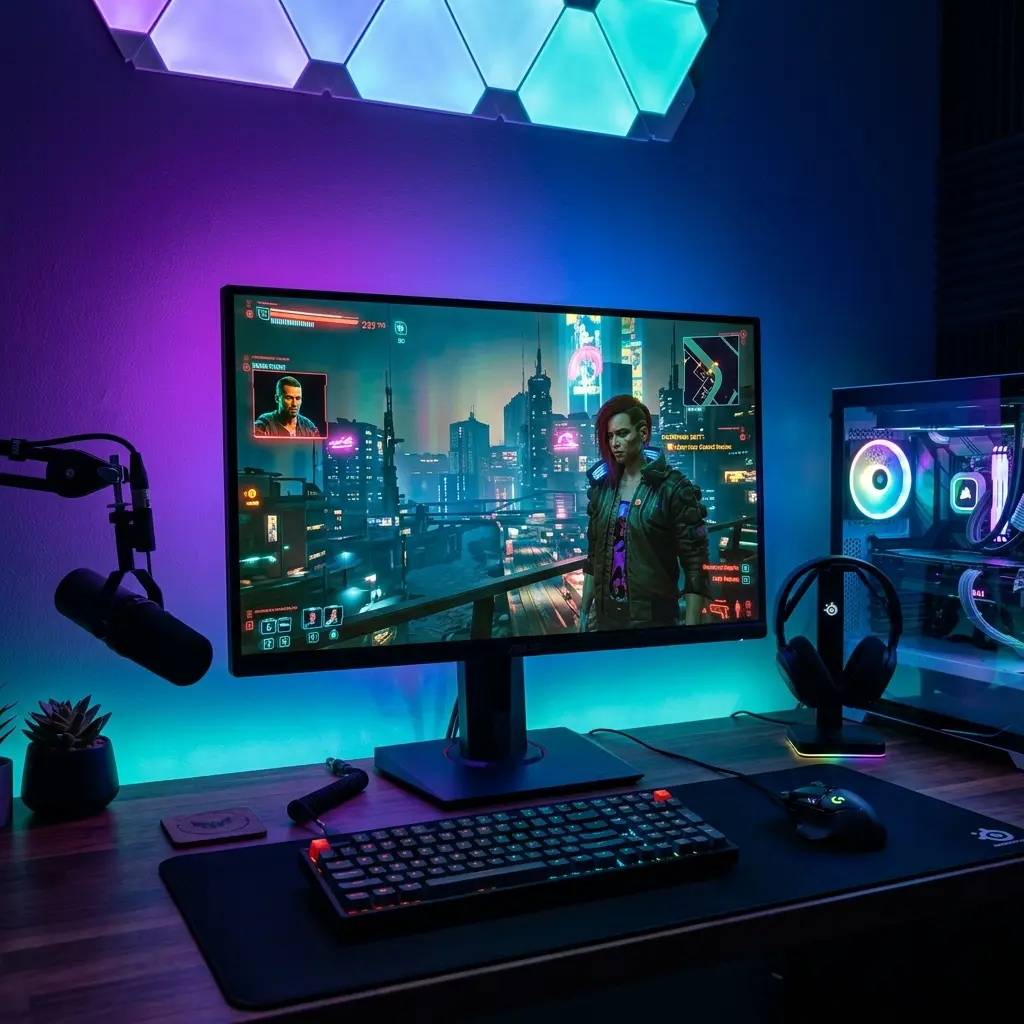
The ideal screen size between 24 and 27 inches largely depends on individual preferences, viewing distance, and gaming habits.
Physical Aspects and Resolution
When comparing 24 and 27-inch monitors, the resolution plays a critical role. A 24-inch monitor typically offers Full HD (1920x1080), while 27-inch versions often feature either Full HD or QHD (2560x1440) resolutions.
The pixel density on a 27-inch monitor is higher, resulting in sharper images and better visual experience, especially in graphic-intensive games.
Performance and Technology
Refresh rates and response times are crucial for gaming performance. Both 24 and 27-inch monitors can have refresh rates of 144Hz or higher, with 1ms response times being common in gaming-focused models.
Advanced technologies like G-Sync and FreeSync can be found in both sizes, enhancing gameplay by minimizing screen tearing and stuttering.
Ergonomics and Visual Comfort
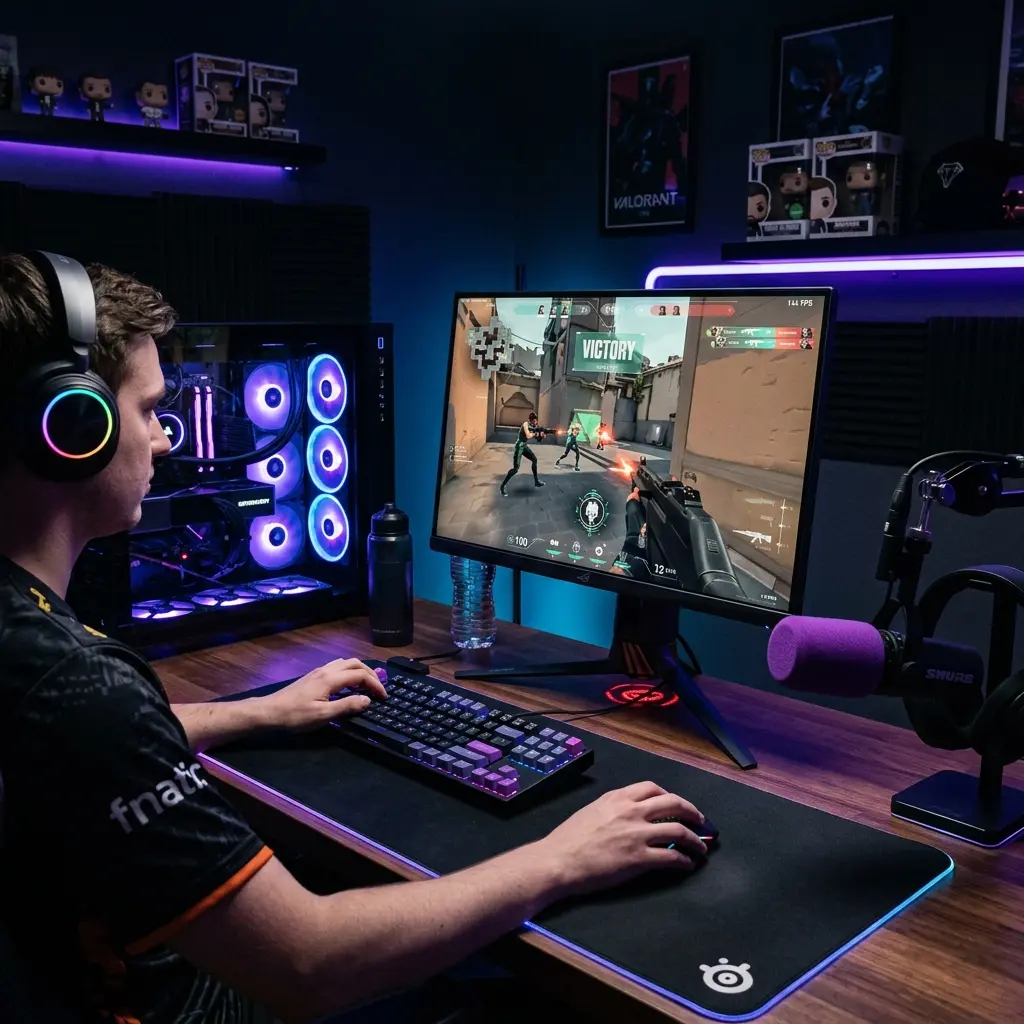
Ergonomics plays a vital role in long gaming sessions. A 27-inch monitor may require a larger desk space and optimal viewing distance to avoid neck strain.
Moreover, the viewing angles and height adjustments available in various models can significantly impact comfort during extended use.
| Feature | 24-Inch Monitor | 27-Inch Monitor |
|---|---|---|
| Typical Resolution | 1920x1080 | 1920x1080 / 2560x1440 |
| Pixel Density (PPI) | 92 | 109 (QHD) |
| Common Refresh Rate | 144Hz | 144Hz / 240Hz |
| Typical Price Range | $150 - $300 | $250 - $600 |
Materials and Durability
The materials used in monitor construction can affect longevity and aesthetics. Most gaming monitors utilize plastic housings, with high-end models featuring metal bezels for added durability.
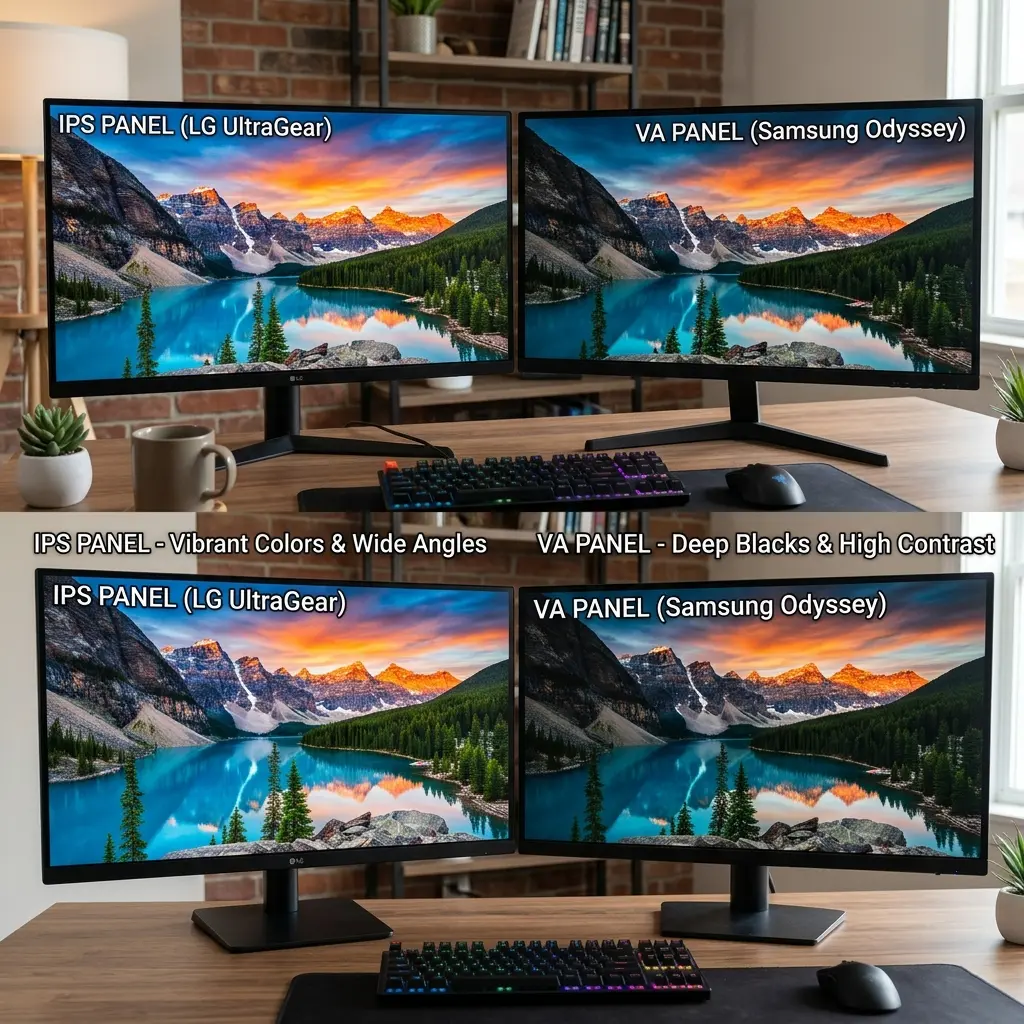
Screen technology, such as IPS or VA panels, also impacts visual quality and lifespan, with IPS panels generally offering better color accuracy and viewing angles.
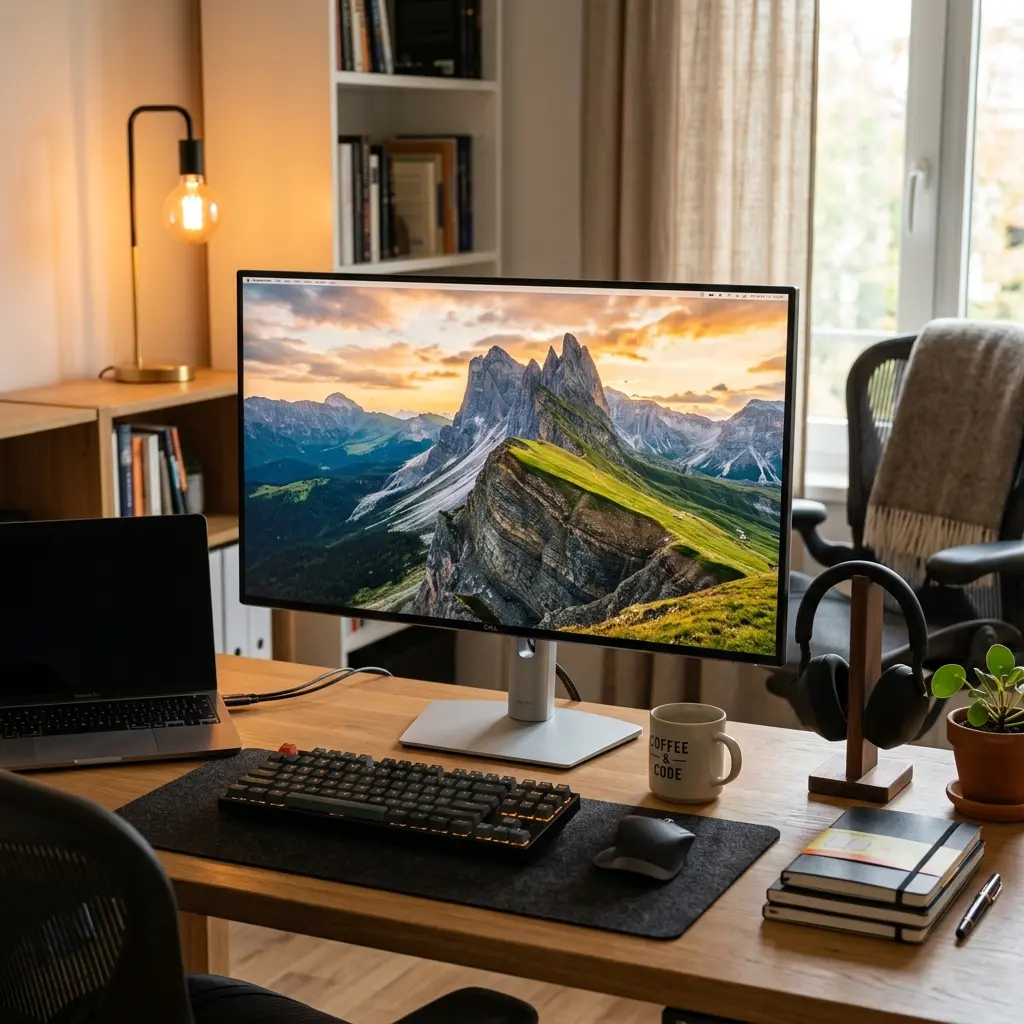
DomineTec Tip: Consider adjustable monitor stands or VESA mounts to enhance ergonomic setups and reduce neck strain during prolonged usage.
Buying Recommendations and Brands
Choosing the right monitor involves considering multiple brands known for their quality. ASUS, Acer, Dell, and LG all offer excellent options in both 24 and 27-inch sizes.
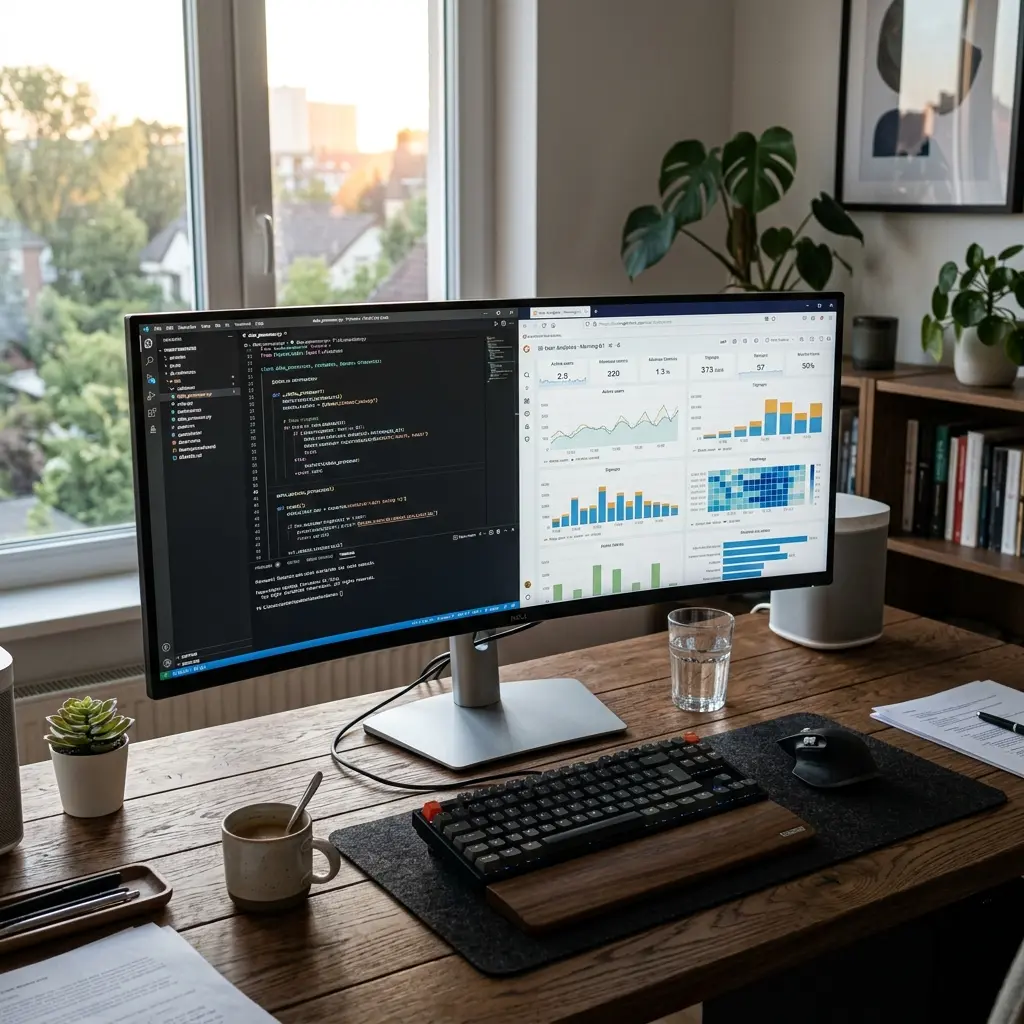
- Determine the primary usage (gaming, professional work, etc.).
- Evaluate the preferred resolution and refresh rate.
- Consider ergonomics, including height adjustment and pivot features.
- Research brands and read reviews for reliability and performance.
- Budget for additional features like G-Sync or FreeSync compatibility.
Value Analysis and Verdict
The choice between a 24 and 27-inch gaming monitor ultimately hinges on personal preferences and specific use cases. A 27-inch monitor typically provides a more immersive experience, but its benefits must be weighed against desk space and budget constraints.
Screen Curvature and Its Impact on Gaming Experience
Curved monitors have gained popularity in the gaming community for their immersive experience. A curved screen can enhance depth perception and create a more engaging field of view.
The curvature of a monitor can vary, with common radii being 1800R and 4000R. A steeper curve, such as 1800R, wraps more around the viewer's peripheral vision, increasing immersion during gameplay.
However, the effectiveness of a curved monitor largely depends on the viewing distance and angle. Users sitting too far away may not experience the intended benefits of the curvature.
Additionally, some gamers may find that curved screens can create distortion in image quality, particularly when viewed from off-angles, which may detract from the overall gaming experience.
Refresh Rate and Response Time Considerations
Refresh rate is a critical factor for gamers, as it determines how many times the screen updates per second. Monitors with higher refresh rates (such as 144Hz or 240Hz) provide smoother gameplay experiences.
Response time, measured in milliseconds, indicates how quickly a pixel can change from one color to another. Lower response times reduce motion blur and ghosting, which is particularly important in fast-paced gaming scenarios.
Both refresh rate and response time can vary between 24-inch and 27-inch monitors, with larger screens sometimes offering higher specifications. However, it is essential to match these features with the capabilities of the connected graphics hardware.
Users should also consider adaptive sync technologies, such as NVIDIA G-Sync and AMD FreeSync, which can enhance performance by synchronizing the refresh rate of the monitor with the frame rate of the GPU.
Color Accuracy and Panel Technology
Color accuracy is crucial for a visually immersive gaming experience. Different panel technologies, such as IPS, TN, and VA, offer varying levels of color reproduction and viewing angles.
IPS panels are known for their superior color accuracy and wide viewing angles, making them ideal for gamers who value vibrant visuals. Conversely, TN panels often provide faster response times but may sacrifice color fidelity.
VA panels can offer deep blacks and good contrast ratios, appealing to gamers who enjoy atmospheric titles. However, they typically have slower response times compared to IPS and TN panels.
Ultimately, the choice of panel technology should align with the user's gaming preferences and the types of games they play, as well as how much they value color accuracy versus speed.
Connectivity Options and Compatibility
Connectivity options play a significant role in the usability of gaming monitors. Common ports include HDMI, DisplayPort, and USB-C, each offering different capabilities and advantages.
DisplayPort is often preferred for high-refresh-rate gaming, as it supports higher resolutions and refresh rates compared to HDMI. However, newer HDMI versions have begun to close this gap.
Additionally, the presence of USB hubs on monitors can enhance the gaming setup by providing easy access for peripherals. This is particularly useful for gamers with multiple devices or who frequently switch between consoles and PCs.
Compatibility with gaming consoles should also be considered, as some monitors may require specific settings or cables to achieve optimal performance with consoles like the PlayStation 5 or Xbox Series X.
Competitive Gaming vs. Casual Gaming Needs
The needs of competitive gamers differ significantly from those of casual gamers. Competitive gamers prioritize features that enhance performance, such as low input lag and high refresh rates.
In contrast, casual gamers may value aesthetic features, such as design and color accuracy, over absolute performance specifications. This can influence their choice between 24-inch and 27-inch monitors.
Competitive environments often necessitate a larger field of view, which can make a 27-inch monitor more appealing. However, the compactness of a 24-inch monitor may be advantageous in tight gaming setups.
Ultimately, understanding the intended use case for the monitor can help buyers make informed decisions, ensuring that they invest in the features that align with their gaming style.
Future-Proofing Your Gaming Setup
Future-proofing is an essential consideration when purchasing a gaming monitor. As technology continues to advance, monitors need to adapt to new gaming capabilities and standards.
Investing in a monitor with higher resolutions, refresh rates, and adaptive sync technologies can prolong its relevance in an ever-evolving gaming landscape. This can help avoid the need for frequent upgrades.
Additionally, considering the monitor's compatibility with next-generation gaming consoles can also enhance its longevity. Features such as HDMI 2.1 support may become increasingly important as new consoles emerge.
Buyers should also keep an eye on emerging technologies, such as Mini-LED and OLED panels, which promise better performance and quality, potentially influencing future purchasing decisions.
Environmental Impact and Energy Efficiency
As awareness about environmental issues increases, the energy efficiency of gaming monitors has become a crucial factor for many consumers. Energy-efficient models can reduce electricity costs and environmental impact.
Many manufacturers now include energy-saving features, such as automatic brightness adjustment and eco-friendly modes, to appeal to environmentally conscious buyers.
Moreover, the materials used in the construction of monitors can also affect their environmental footprint. Monitors made from recyclable materials or those that use less harmful manufacturing processes are becoming more common.
Ultimately, consumers can contribute to sustainability efforts by choosing monitors that prioritize energy efficiency and environmentally friendly manufacturing practices.
Audio Integration and Gaming Experience
Audio quality plays a crucial role in enhancing the overall gaming experience, especially when considering monitor size.
Many modern gaming monitors come equipped with built-in speakers, but the audio output quality may not be sufficient for immersive gameplay.
Gamers often benefit from utilizing external audio systems or headsets, which can provide more precise sound localization and clarity.
When selecting a monitor size, it is essential to consider the placement of speakers and how they interact with the screen's dimensions for optimal sound performance.
Gaming Aesthetics and Setup
The aesthetic appeal of a gaming setup can significantly influence the choice between a 24-inch and a 27-inch monitor.
A larger monitor can serve as a focal point in a gaming environment, enhancing the overall visual impact of the setup.
Customization options, such as RGB lighting and monitor stands, can also vary based on monitor size, affecting how well the monitor integrates with other gaming peripherals.
Ultimately, personal preference and the intended ambiance of the gaming area will play a significant role in the choice of monitor size.
Impact on Game Type and Genre Preference
The type of games played can significantly affect the ideal monitor size for an individual gamer.
For fast-paced first-person shooters, a larger screen may provide better peripheral vision, while strategy games may benefit from a more compact display.
Understanding the nuances of different game genres can help gamers select a monitor size that complements their gaming style.
As gaming preferences evolve, the importance of monitor size in relation to game type is a consideration that should not be overlooked.
Impact of Screen Size on Game Immersion
The screen size of a gaming monitor significantly influences the overall immersion of the gaming experience. A larger screen can create a more enveloping field of view, allowing players to become more engrossed in the virtual environment. This is particularly noticeable in open-world games where expansive landscapes and intricate details can be appreciated more fully on a 27-inch monitor.
In contrast, while a 24-inch monitor may provide a sharper image due to higher pixel density, it can limit the player's peripheral vision. This restricted field can detract from the immersion factor, especially in first-person shooters and adventure games where situational awareness is crucial. The visual engagement offered by larger monitors can enhance emotional responses to gameplay, making it a key consideration for many gamers.
Moreover, the distance between the player and the screen plays a pivotal role in immersion. A larger monitor typically requires a greater viewing distance to prevent visual strain and distortion. This distance can also impact how players perceive depth and scale within the game world, further affecting immersion levels. Therefore, selecting the right screen size should take into account not just the monitor's dimensions but also the intended viewing distance.
Ultimately, the choice between 24 and 27 inches should align with the player's desire for immersion versus the practical aspects of their gaming setup. Those seeking a more cinematic experience may favor the larger size, while others who prioritize pixel density and clarity may find the 24-inch option to be more suitable.
Adaptability for Multiple Uses Beyond Gaming
When selecting a gaming monitor, the potential for versatility in use is an important factor to consider. A 27-inch monitor often serves dual purposes, making it suitable for both gaming and productivity tasks. The larger screen real estate allows for more efficient multitasking, whether it's for video editing, graphic design, or general office work.
In contrast, a 24-inch monitor may be more limited in its capacity to handle multiple applications open at once. While it is still adequate for gaming and basic productivity tasks, users might find themselves frequently switching between windows, which can disrupt workflow and reduce efficiency. The larger dimensions of a 27-inch monitor facilitate a more seamless transition between gaming and other activities.
Additionally, the larger screen size can enhance the enjoyment of media consumption. Watching movies or streaming content on a 27-inch monitor provides a more engaging viewing experience compared to a 24-inch display. The improved visuals and sound immersion can significantly enhance the overall enjoyment of cinematic experiences, making it a valuable addition to a home entertainment setup.
Finally, as gaming trends evolve and more titles incorporate hybrid gameplay mechanics, having a monitor that can adapt to various uses becomes increasingly important. A 27-inch monitor can better accommodate these shifts, allowing users to maximize their investment over time while enjoying a range of activities beyond just gaming.
Accessibility Features and Customization Options
Modern gaming monitors increasingly come equipped with accessibility features designed to accommodate a diverse range of users, including those with visual impairments or physical disabilities. These features can include adjustable brightness settings, high-contrast modes, and customizable control schemes that allow gamers to tailor their experience to their specific needs.
Customization options extend beyond accessibility, allowing gamers to adjust various settings such as color profiles, display modes, and aspect ratios. Many monitors now offer user-friendly interfaces that facilitate these adjustments, enabling players to optimize their gaming environment for comfort and performance.
Additionally, some monitors provide software solutions that assist in calibrating the display to individual preferences. This ensures that users can achieve optimal visual settings, enhancing overall gaming experiences across different genres and styles.
As gaming continues to evolve, accessibility and customization will likely remain key considerations for manufacturers, ensuring that all players can enjoy an inclusive and personalized gaming experience.
Impact of Screen Size on Streaming and Content Creation
The rise of gaming content on platforms like Twitch and YouTube has made the choice of monitor size increasingly relevant for streamers and content creators. A larger screen can provide better visibility for editing software, chat interfaces, and gameplay, making multitasking more manageable during live broadcasts and video production.
Screen size also plays a critical role in layout and framing when capturing gameplay footage. A 27-inch monitor may offer a wider field of view, allowing creators to showcase more of their gaming environment and enhance viewer engagement through immersive content.
Moreover, the use of dual-monitor setups has gained popularity among content creators, with a larger primary monitor dedicated to gameplay and a secondary screen for chat or editing tools. This setup can be more effectively utilized with a 27-inch monitor, providing ample space for simultaneous tasks without compromising visibility.
Ultimately, the choice between a 24-inch and a 27-inch monitor may hinge on the specific needs of the content creator, as well as their preferred streaming style and audience engagement strategies.
Frequently Asked Questions
What is the best resolution for a 24-inch monitor?
Full HD (1920x1080) is the standard resolution, providing a good balance between performance and image clarity for gaming.
Is a 27-inch monitor better for gaming?
A 27-inch monitor can enhance the gaming experience with its larger screen and higher resolution options, providing more immersive visuals.
What should be the ideal distance from the screen?
The ideal viewing distance is typically 1.5 to 2.5 times the diagonal screen size, which translates to approximately 3 to 5.5 feet for 24 and 27-inch monitors.
Do larger monitors consume more power?
Generally, larger monitors with higher resolutions may consume more power, though efficiency can vary by model and technology used.
Are curved monitors better than flat ones?
Curved monitors can provide a more immersive experience, especially in larger sizes, but personal preference plays a significant role in the decision.




