21:9 vs 32:9 Ultrawide Monitors: Which Aspect Ratio is Best?
21:9 vs 32:9 Ultrawide Monitors: Which Aspect Ratio is Best?
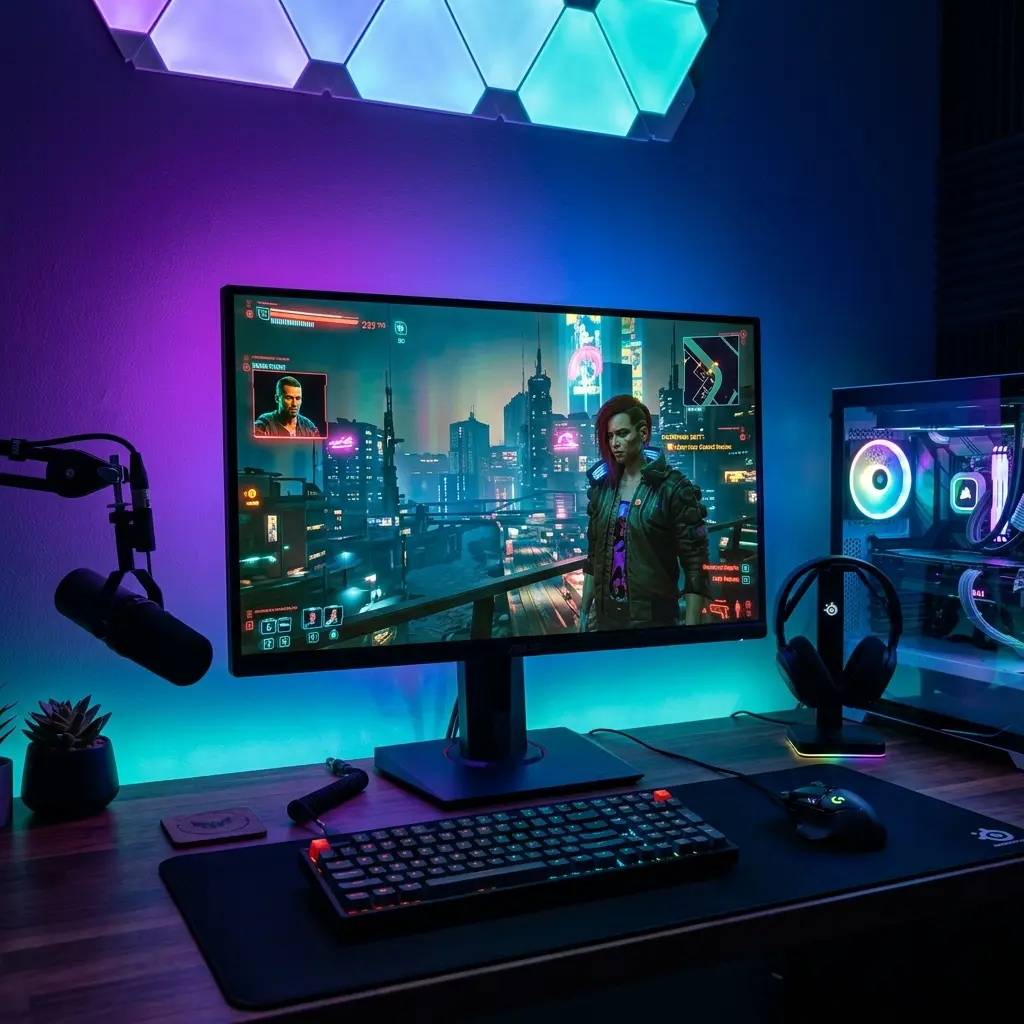
The 21:9 aspect ratio provides an immersive experience suitable for gaming and productivity, while 32:9 offers an even wider view for multitasking.
Physical Aspects and Resolution
Physical dimensions vary significantly between 21:9 and 32:9 monitors, affecting desk space and setup. A typical 21:9 monitor measures around 34 inches diagonally, while a 32:9 monitor may exceed 49 inches.
Resolution is crucial; 21:9 monitors often feature 2560x1080 or 3440x1440 pixels, whereas 32:9 models typically boast 3840x1080 or 5120x1440 pixels for enhanced clarity.
Performance and Technology
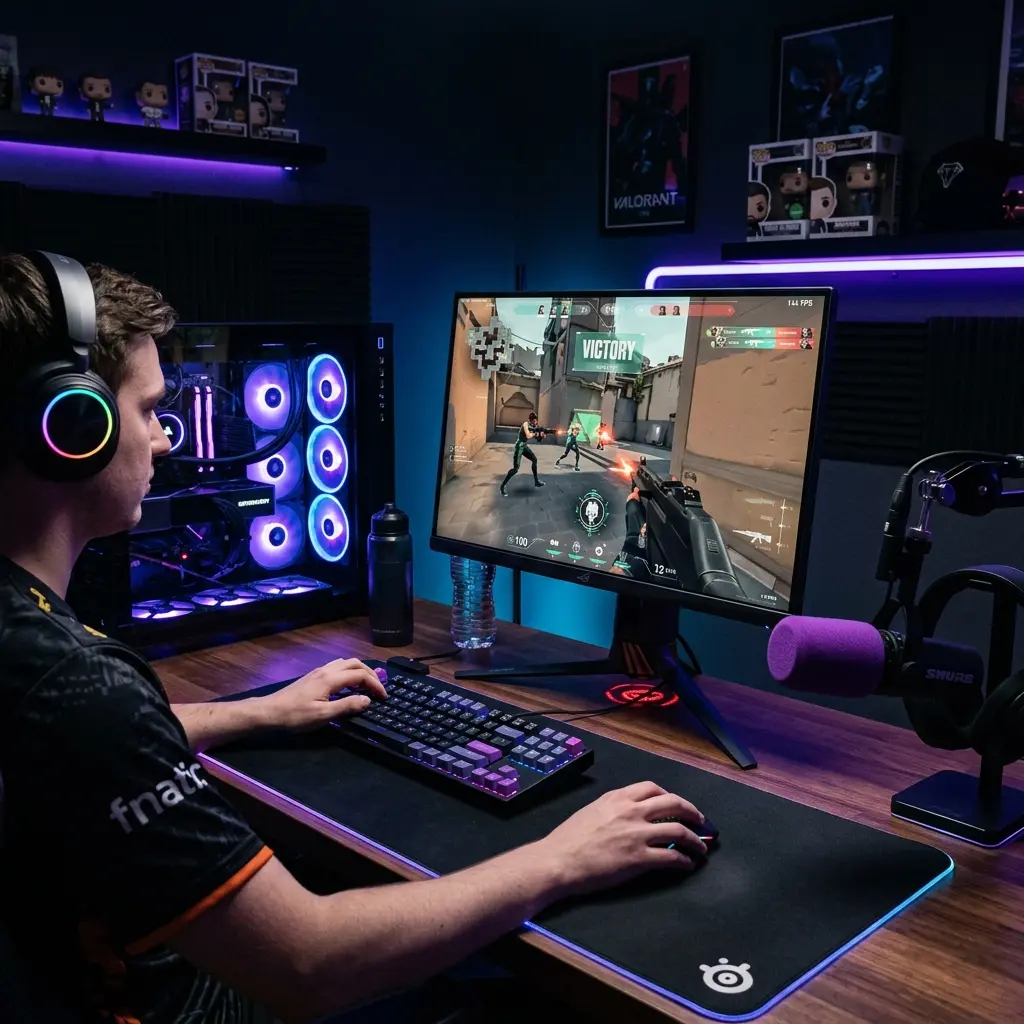
Refresh rates and response times significantly influence gaming performance. Many 21:9 monitors offer a 144Hz refresh rate, ideal for competitive gaming.
32:9 monitors may support similar refresh rates but can be heavier on GPU resources due to higher pixel counts, affecting frame rates under load.
Ergonomics and Visual Comfort
Ergonomics play a vital role in user experience; 21:9 monitors are generally easier to position and adjust. In contrast, 32:9 monitors may require more extensive desk space and adjustable stands for optimal viewing angles.
Visual comfort is enhanced through features like flicker-free technology and blue light filters, commonly found in both aspect ratios.
| Feature | 21:9 Ultrawide | 32:9 Ultrawide |
|---|---|---|
| Typical Size | 34 inches | 49 inches |
| Common Resolutions | 2560x1080, 3440x1440 | 3840x1080, 5120x1440 |
| Refresh Rate | Up to 144Hz | Up to 144Hz |
| Price Range | Mid-range | Higher-end |
| Ideal Usage | Gaming, productivity | Multitasking, immersive gaming |
Materials and Durability
Construction materials impact longevity and aesthetics. Most ultrawide monitors utilize high-quality plastic and metal for durability and sleek designs.
Backlight technology, such as LED, enhances brightness and energy efficiency, commonly found in both aspect ratios.
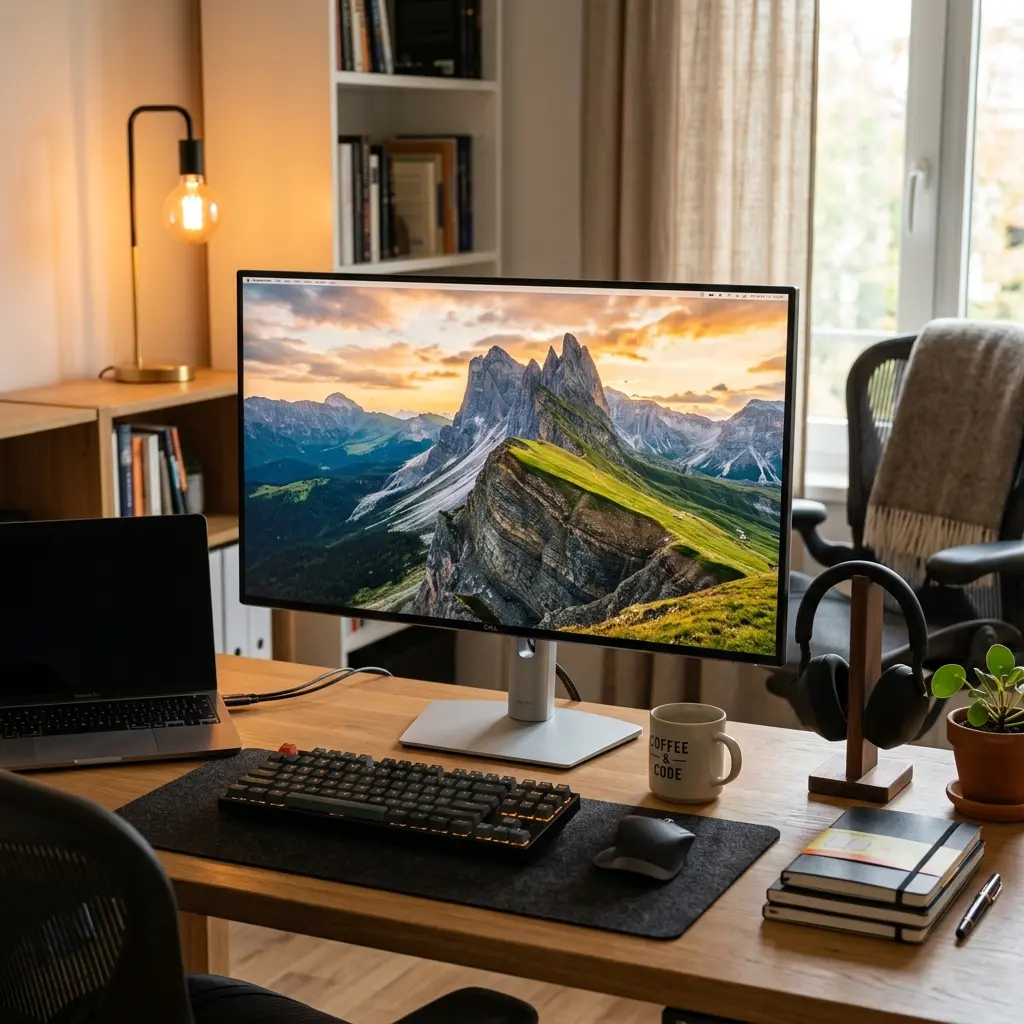
DomineTec Tip: Ensure the monitor height aligns with eye level to prevent neck strain during extended use.
Buying Recommendations and Brands
Brands such as Dell, LG, and Samsung provide a variety of ultrawide monitors tailored to different needs. Consider factors such as refresh rate, resolution, and ergonomic adjustments when selecting a model.
- Determine usage: gaming, productivity, or both.
- Select a resolution that fits your requirements.
- Assess the refresh rate based on gaming needs.
- Check for ergonomic features like height adjustment.
- Read reviews and consider warranty options.
Value Analysis and Verdict
Cost-effectiveness varies; 21:9 monitors typically offer better value for gaming and general use, while 32:9 models emphasize immersive experiences. Weigh the need for screen real estate against budget constraints before making a decision.
Gaming Experience Comparison
The gaming experience can differ significantly between 21:9 and 32:9 ultrawide monitors. Gamers often prefer wider aspect ratios for immersive gameplay, but the choice can depend on the type of games played.
In fast-paced action games, a 32:9 monitor provides an expansive field of view, enhancing the overall experience and allowing players to notice threats from the periphery. However, some games may not support ultra-wide resolutions, leading to potential letterboxing or stretching, which can detract from the experience.
For simulation and strategy games, both aspect ratios can offer unique advantages. The 21:9 may allow for a more cinematic experience, whereas the 32:9 can facilitate multitasking, allowing players to manage multiple screens or applications simultaneously.
Ultimately, the decision should be based on the specific gaming preferences and the hardware capabilities of the user’s system, as not all graphics cards handle ultra-wide resolutions equally well.
Productivity and Multitasking
Ultrawide monitors are increasingly being used for productivity and multitasking purposes, presenting a stark contrast between the 21:9 and 32:9 aspect ratios. The 21:9 monitor often strikes a balance between screen real estate and usability, making it suitable for most office tasks.
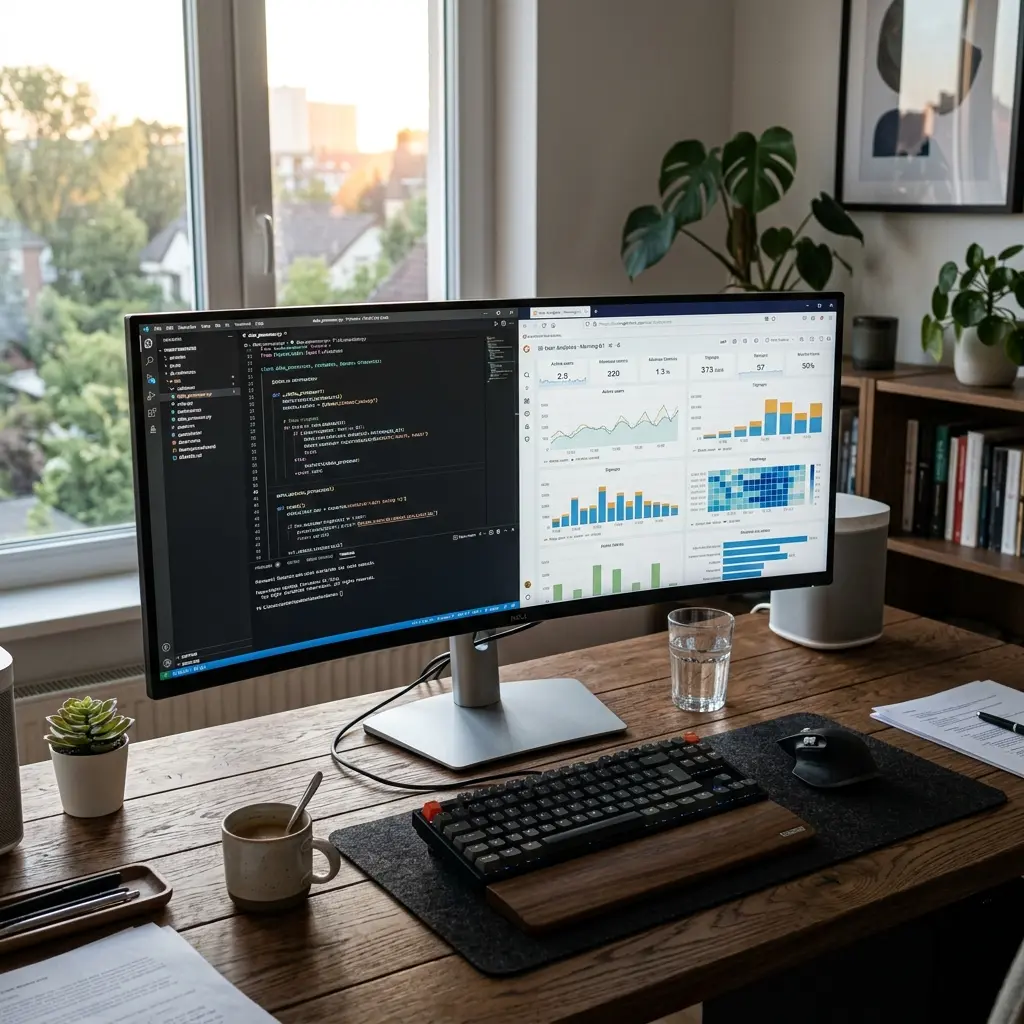
On the other hand, the 32:9 monitor is akin to having two 16:9 monitors side by side, which can significantly enhance productivity for users who require multiple windows open simultaneously. Tasks such as video editing, programming, or financial analysis can benefit immensely from this additional screen space.
Moreover, the layout of applications can be more efficient on a 32:9 monitor, as it minimizes the need for window management. Users can have a document open on one side while researching on the other without the interruptions of traditional monitor setups.
However, the increased screen size can also lead to potential distractions, so users need to consider their workflow and how the monitor fits into their productivity strategies.
Content Creation and Media Consumption
Content creators and media consumers may have differing needs and preferences when it comes to aspect ratios. The 21:9 format has become a standard in filmmaking, providing a cinematic experience that appeals to both creators and viewers alike.
For video editing, the 21:9 monitor offers sufficient width to view timelines and editing tools side by side without feeling cramped. However, professional editors working with high-resolution video may find that a 32:9 monitor allows for even greater flexibility in arranging their workspace.
When it comes to media consumption, both aspect ratios provide immersive experiences, but the choice can be influenced by the type of content. For instance, movies filmed in ultra-wide formats may be more enjoyable on a 21:9 monitor, while gaming and modern streaming services are increasingly optimizing for wider screens.
Ultimately, the best choice depends on the primary use case, as both formats have their own merits in the context of content creation and media viewing.
Space and Setup Considerations
When choosing between 21:9 and 32:9 ultrawide monitors, spatial considerations play a crucial role. The physical size of a 32:9 monitor can be imposing, requiring more desk space compared to its 21:9 counterpart.
Users with limited desk space may find a 21:9 monitor more manageable, allowing for ergonomic setups without overwhelming their workspace. However, those who can accommodate a larger monitor may benefit from the expansive view provided by a 32:9 screen.
Additionally, the mounting options may vary based on the monitor size. A larger 32:9 monitor may require specialized mounts or stands, which can add to the overall cost and complexity of the setup.
Consideration of the overall aesthetic and layout of the workspace is also important, as a larger monitor may dominate the visual space and alter the dynamics of the environment.
Compatibility with Gaming Consoles
As gaming consoles evolve, the compatibility of ultrawide monitors becomes increasingly relevant. Many modern gaming consoles, such as the PlayStation and Xbox, are designed with standard aspect ratios in mind, typically 16:9.
This presents challenges for users wanting to take advantage of a 21:9 or 32:9 monitor. While some games may support ultrawide resolutions, others may not, leading to compatibility issues, including letterboxing or significant graphical scaling.
Furthermore, users should consider the potential limitations of their consoles regarding resolutions and refresh rates. While a 32:9 monitor offers a larger view, it may not be fully utilized unless the console supports it.
Ultimately, users must weigh the benefits of a wider screen against the potential limitations when using gaming consoles, making sure to check compatibility before purchasing.
Future-Proofing Your Purchase
When investing in a monitor, future-proofing is an essential consideration. The technology landscape is rapidly evolving, and various factors can impact the longevity of a monitor, including connectivity options and resolution capabilities.
Both 21:9 and 32:9 monitors are becoming increasingly popular, but users should consider the potential advancements in display technology, such as higher refresh rates and HDR support. Monitors that provide these features will likely remain relevant longer.
Moreover, users should evaluate the connectivity options of the monitor to ensure compatibility with upcoming devices. HDMI 2.1 and DisplayPort 2.0 are becoming standards that support higher resolutions and refresh rates, which can significantly enhance the user experience.
Investing in a monitor that adapts to changing technology trends can save users from having to upgrade frequently, making the initial investment more justifiable in the long run.
Environmental Considerations
As sustainability becomes a growing concern, environmental considerations in monitor production and disposal are increasingly relevant. Both 21:9 and 32:9 monitors have environmental footprints that vary based on materials and manufacturing processes.
When selecting a monitor, users should look for energy-efficient models that consume less power, aligning with global efforts to reduce carbon emissions. Energy Star ratings and similar certifications can serve as indicators of efficiency.
Moreover, consideration for the monitor's lifespan and recyclability is crucial. Monitors that are designed for longevity and are easier to recycle can significantly reduce e-waste, contributing positively to environmental efforts.
Ultimately, making informed choices about monitor purchases can support sustainability initiatives while also meeting the user’s needs.
Color Accuracy and Calibration
Color accuracy is a critical factor for both gaming and professional content creation, as it impacts the visual fidelity of images and videos.
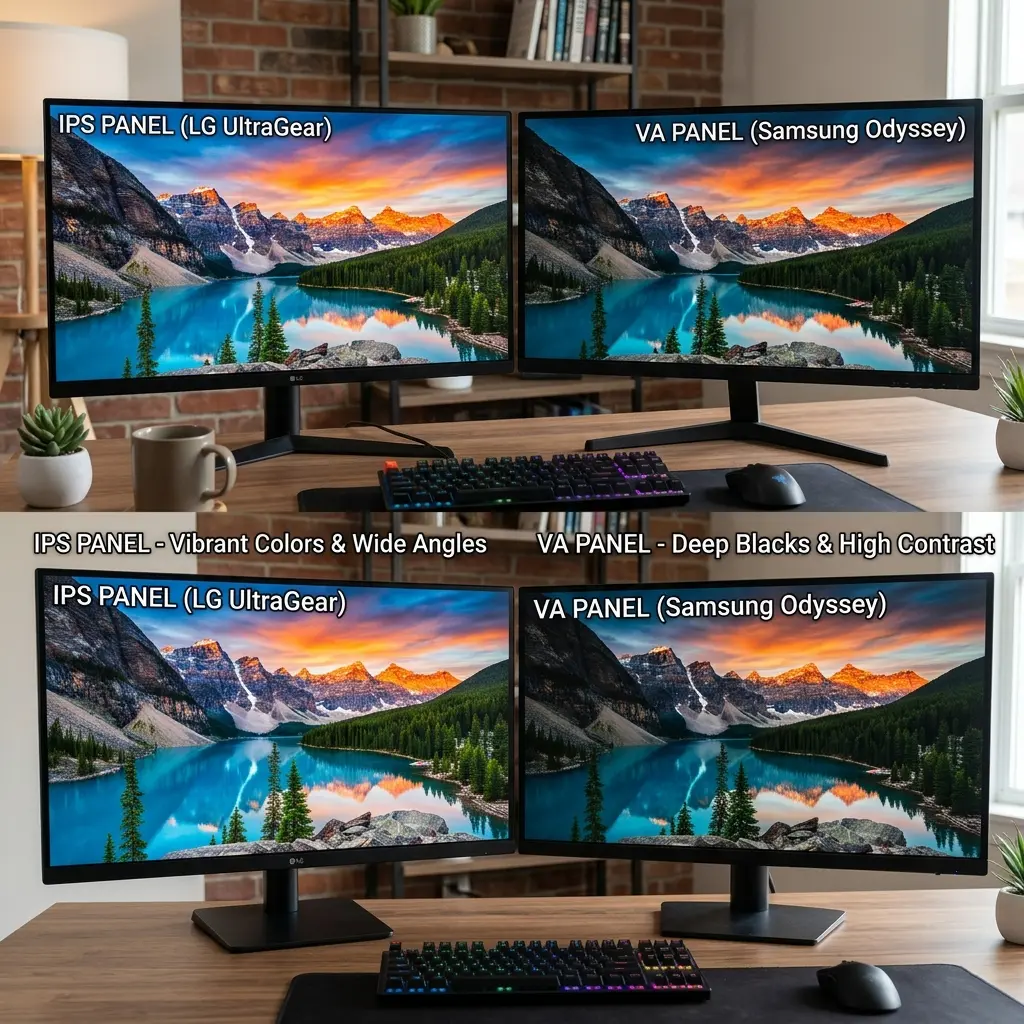
Ultrawide monitors with 21:9 and 32:9 aspect ratios often feature advanced color reproduction technologies, such as IPS panels, which provide wider viewing angles and better color consistency.
Calibration options vary between models; high-end monitors typically come with factory calibration, ensuring accurate color output right out of the box.
For users needing precise color matching, investing in a color calibration tool can further enhance the monitor's performance, allowing for adjustments tailored to specific tasks.
Connectivity Options and Port Selection
Connectivity options play a vital role in determining how well a monitor integrates with various devices and setups.
Both 21:9 and 32:9 monitors generally offer multiple input ports, including HDMI, DisplayPort, and USB-C, catering to a range of user needs from gaming consoles to professional workstations.
Some models also include USB hubs, enabling users to connect peripherals directly to the monitor, which can help reduce cable clutter.
Considering future connectivity needs is essential; features like HDMI 2.1 support may become increasingly important as new gaming consoles and graphics cards are released.
Impact on Workflow and User Experience
The aspect ratio of a monitor can significantly influence workflow and overall user experience, particularly in professional environments.
Ultrawide monitors enhance productivity by providing ample screen real estate, allowing users to have multiple applications open side by side without the need for additional displays.
For creative professionals, the 32:9 aspect ratio can facilitate more immersive editing experiences, particularly when working with wide-format video or panoramic images.
However, users must consider their specific tasks; while some may benefit from the extra width, others might find that 21:9 suits their workflow better without overwhelming screen space.
Impact on Gaming Genres
The choice between 21:9 and 32:9 ultrawide monitors can significantly impact gaming performance and experience across different genres. For first-person shooters (FPS), the 21:9 aspect ratio provides a balanced field of view, allowing players to maintain situational awareness without being overwhelmed by peripheral visuals. This aspect ratio is often preferred for competitive play, where quick reflexes and clear sightlines are crucial.
On the other hand, the 32:9 aspect ratio is particularly advantageous for simulation and racing games. It offers an immersive panoramic view that enhances depth perception, making it easier to navigate through complex environments such as racetracks or flight paths. Many gamers find that this broader view provides a more realistic experience, immersing them deeper into the game world.
Moreover, open-world games benefit from the expansive viewing area of a 32:9 monitor. Players can appreciate vast landscapes, detailed environments, and intricate details that would otherwise be limited on narrower screens. This can enhance the storytelling aspect, drawing players into the narrative more effectively.
Ultimately, the best aspect ratio for gaming will depend on individual preferences and gaming habits.While 21:9 may appeal more to competitive gamers, 32:9 can enrich the experiences of those who favor immersive gameplay.
Cost Considerations and Budgeting
Investing in an ultrawide monitor involves careful consideration of cost, especially when comparing the 21:9 and 32:9 models. Typically, 32:9 monitors are more expensive due to their larger size and advanced technology. Buyers should evaluate their budget and determine how much they are willing to spend for enhanced screen real estate.
It is also essential to consider the additional costs associated with ultrawide monitors, such as graphics card upgrades. Many GPUs may struggle to support the higher resolutions and refresh rates of larger ultrawide displays, necessitating an investment in more powerful hardware. Budget-conscious consumers should assess whether their existing setup can handle the demands of a new monitor.
Another factor to consider is potential long-term savings. For users who multitask frequently, a larger ultrawide monitor may eliminate the need for dual monitors, which can save money in the long run. This can be particularly beneficial for professionals who rely heavily on multiple applications running simultaneously.
Ultimately, buyers must weigh the initial investment against the potential benefits and savings. Budgeting for an ultrawide monitor requires careful consideration of both immediate and future costs, ensuring that the chosen display aligns with financial priorities.
Integration with Smart Home and IoT Devices
As technology evolves, ultrawide monitors are increasingly being integrated into smart home ecosystems, allowing users to control IoT devices seamlessly from their screens.
This integration can enhance both productivity and convenience, as users can monitor security cameras, adjust lighting, and manage other smart devices without switching applications or interfaces.
Moreover, the ability to display multiple feeds or dashboards simultaneously can significantly improve the efficiency of home management tasks, allowing for a more cohesive and responsive environment.
As smart home technology advances, the compatibility of ultrawide monitors with various platforms will likely increase, providing users with a more unified experience across devices.
Impact on Eye Health and Long-Term Usage
With the rise of ultrawide monitors, concerns regarding eye health have become more prominent, especially for users engaged in extended periods of screen time.
These monitors often encourage users to sit closer, which can lead to increased eye strain and discomfort if proper ergonomic practices are not followed.
Utilizing features such as blue light filters and adjustable brightness settings can help mitigate potential eye health issues associated with prolonged use.
Furthermore, regular breaks and the implementation of the 20-20-20 rule can significantly contribute to maintaining eye health while enjoying the benefits of ultrawide displays.
Frequently Asked Questions
What is the best aspect ratio for gaming?
Both 21:9 and 32:9 aspect ratios are excellent for gaming, depending on personal preference and game compatibility.
Are 32:9 monitors too wide for regular use?
32:9 monitors can be overwhelming for some users; however, they excel in multitasking and immersive gaming scenarios.
Can ultrawide monitors replace dual monitor setups?
Yes, ultrawide monitors can effectively replace dual setups by providing a continuous display without bezels.
Do ultrawide monitors support standard resolutions?
Many ultrawide monitors support standard resolutions; however, native resolutions may differ, affecting scaling.
What are the common connectivity options for ultrawide monitors?
Common connectivity options include HDMI, DisplayPort, and USB-C, ensuring compatibility with various devices.




