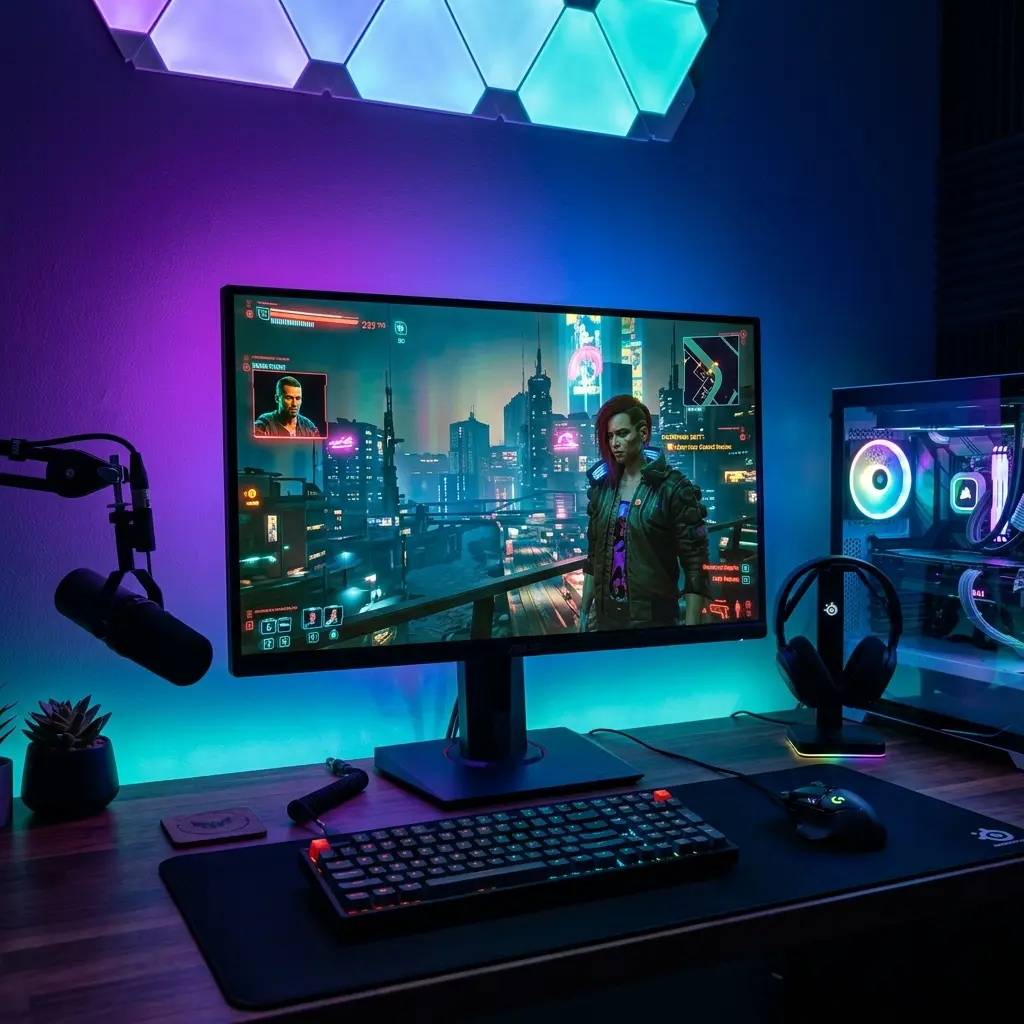
The choice between 1000R and 1500R monitor curvature largely depends on personal preference and usage scenarios.
Physical Aspects and Resolution
1000R curvature monitors bend more sharply, matching the natural curvature of the human eye for immersive viewing.
In contrast, 1500R monitors offer a gentler curve, making them suitable for multi-monitor setups or general productivity tasks.
Performance and Technology
Both 1000R and 1500R monitors typically feature advanced display technologies such as OLED or QLED for enhanced color accuracy.
Refresh rates and response times vary by model, with many high-end options supporting 144Hz or higher, crucial for gaming performance.
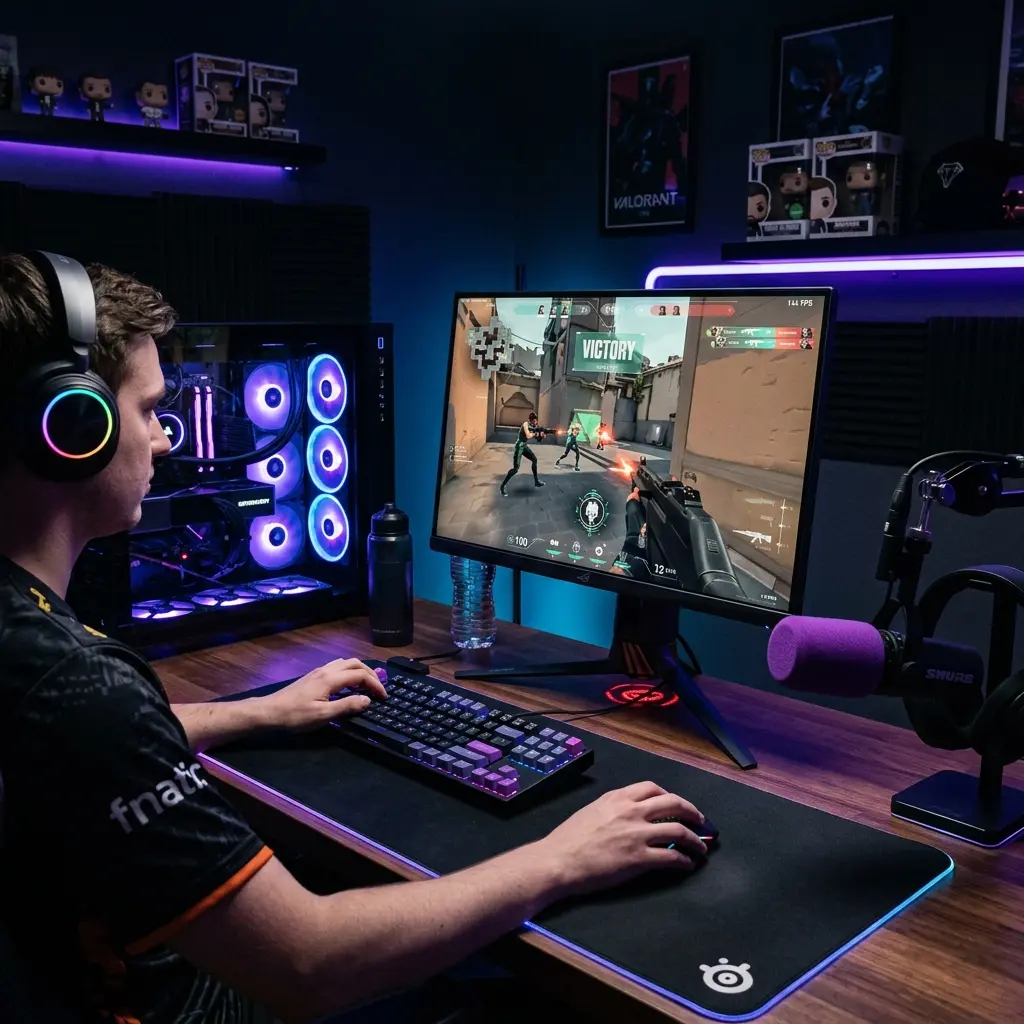
Ergonomics and Visual Comfort
1000R monitors generally provide superior immersion, reducing eye strain during prolonged usage by keeping images at a consistent distance.
1500R monitors, while comfortable, may not offer the same level of visual engagement, making them better suited for varied tasks.
| Feature | 1000R | 1500R |
|---|---|---|
| Curvature Radius | 1000mm | 1500mm |
| Best For | Gaming, immersive experiences | General use, productivity |
| Eye Strain | Lower | Moderate |
| Field of View | Wider | Narrower |
Materials and Durability
Monitors with 1000R curvature often utilize high-quality plastics and metal for durability, ensuring longevity under heavy usage.
1500R models vary in material quality, with many mid-range options still maintaining solid build quality but less premium feel.
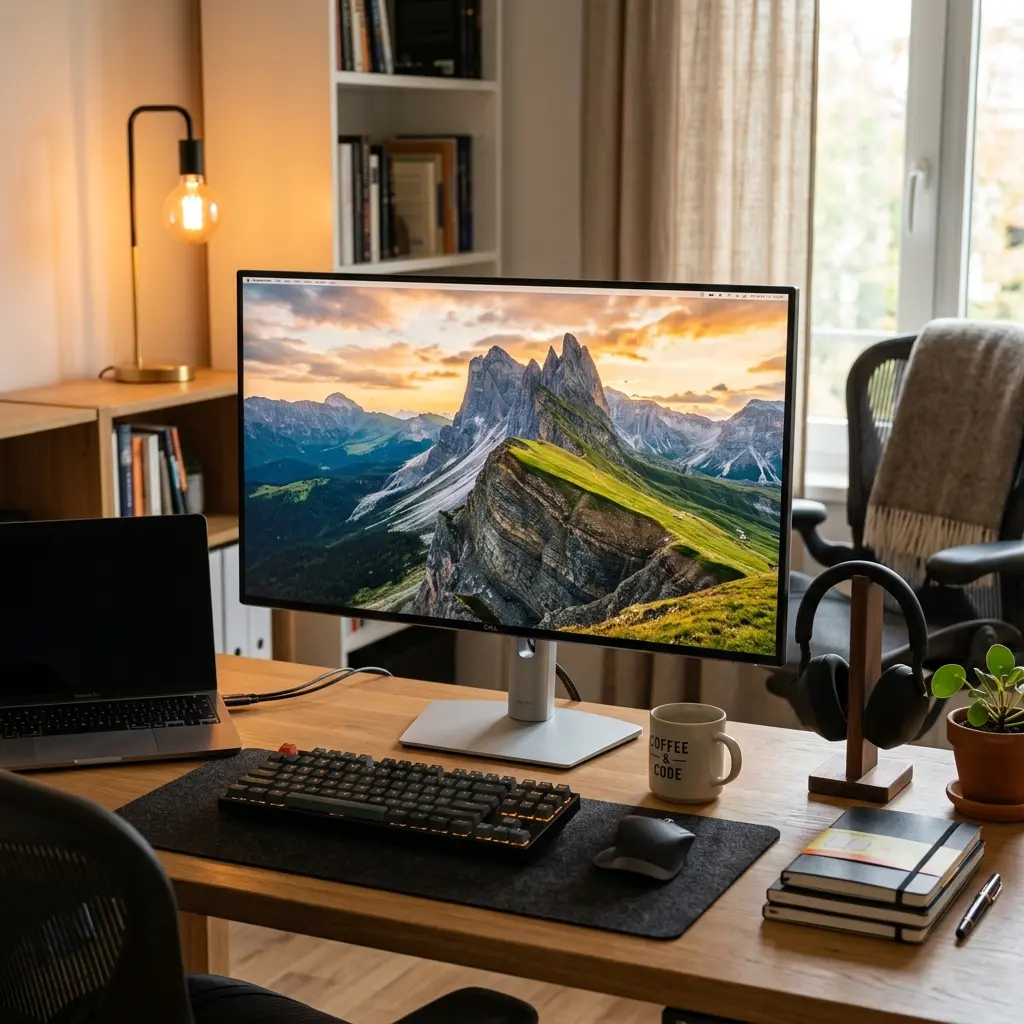
DomineTec Tip: Consider using a monitor arm to optimize viewing angles and reduce neck strain for both curvature types.
Buying Recommendations and Brands
Leading brands such as Samsung, LG, and Dell offer models across both curvature types with varying features and price points.
For optimal performance, select monitors with high refresh rates and low response times, especially for gaming applications.

- Identify the primary use: gaming, productivity, or mixed use.
- Compare specifications such as resolution, refresh rate, and panel type.
- Evaluate ergonomic features for comfort during prolonged sessions.
- Check for warranty and customer support from the manufacturer.
- Read reviews and user experiences for real-world insights.
Value Analysis and Verdict
1000R monitors typically provide better immersion for gaming, while 1500R monitors may be more versatile for a range of uses.
The best choice will ultimately depend on individual preferences and specific application needs.
Color Accuracy and Calibration
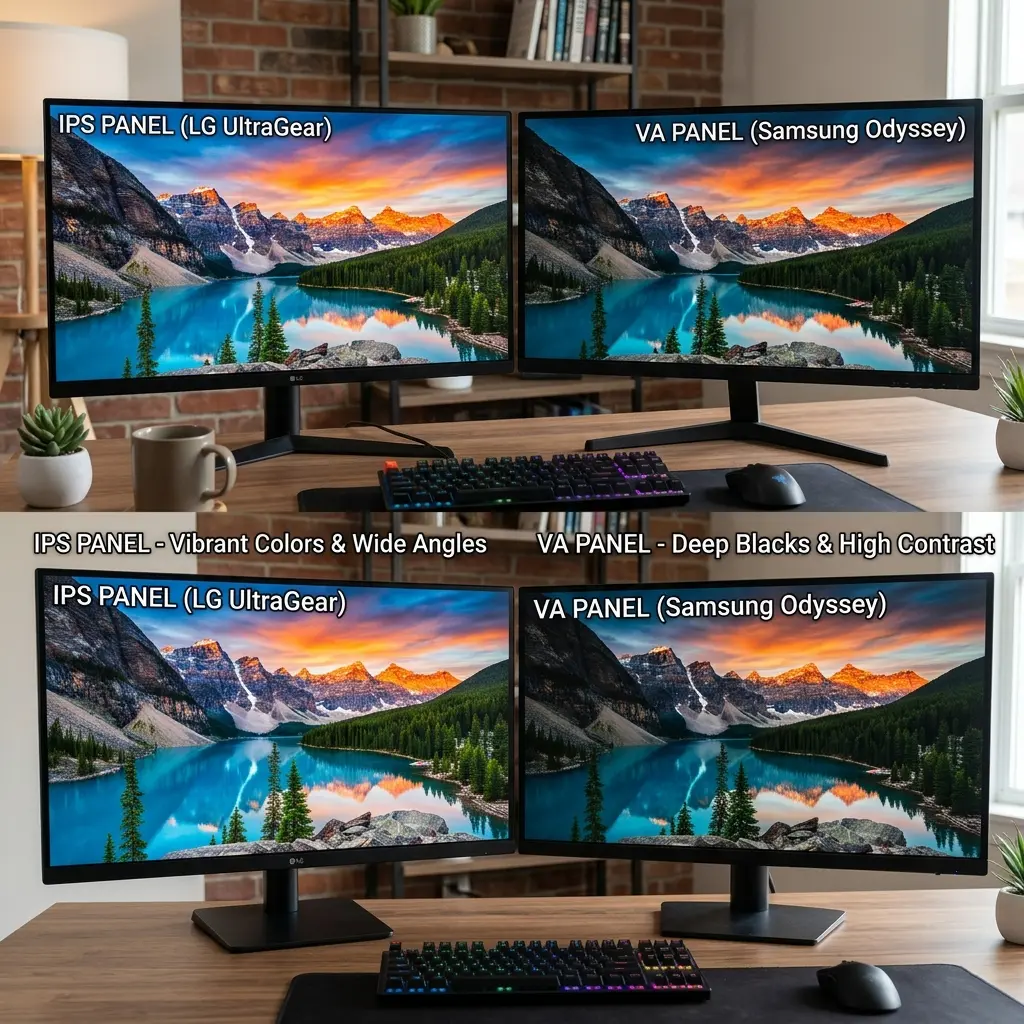
Color accuracy is crucial for users engaged in graphic design, video editing, and other visual arts. Monitors with different curvatures, such as 1000R and 1500R, can exhibit varying levels of color fidelity based on their panel technology and calibration capabilities.
The 1000R curvature, designed to match the human eye's natural field of view, can enhance color perception, making hues appear more vibrant and true-to-life. However, this benefit largely depends on the monitor's overall color gamut and calibration.
Calibration tools and settings are essential for achieving optimal color accuracy, regardless of curvature. Professional-grade monitors often come with built-in calibration capabilities or support external calibration devices for precise adjustments.
When choosing between 1000R and 1500R monitors, consider the importance of color accuracy in your work. Monitors with better color reproduction can significantly impact productivity and output quality.
Gaming Experience and Immersion
The gaming experience is significantly influenced by monitor curvature, particularly for immersive titles. The 1000R curvature offers a more enveloping view, which can enhance immersion during gameplay.
Fast-paced games benefit from the reduced motion blur and distortion offered by the 1000R curvature, providing a more engaging experience. The wider field of view allows players to be more aware of their surroundings, improving reaction times.
Conversely, the 1500R curvature can also provide an immersive experience but may not match the level of engagement offered by the 1000R. Players who prioritize immersion may find the 1000R option more appealing for gaming.
Ultimately, the choice between the two curvatures will depend on personal preferences and the types of games played. Enthusiasts may lean towards monitors that enhance overall gameplay experience through curvature.
Impact on Eye Strain and Fatigue
Eye strain and fatigue are prevalent concerns for users who spend extended hours in front of monitors. The curvature of a monitor can play a role in reducing these issues by minimizing eye movement and providing a more natural viewing angle.
Research suggests that the 1000R curvature can potentially decrease eye strain due to its alignment with the human eye. This design allows for a more comfortable viewing experience, reducing the need for excessive eye adjustment.
On the other hand, the 1500R curvature, while still beneficial, may not offer the same level of comfort for long-term use. Users might experience more fatigue, especially during marathon sessions of work or gaming.
Choosing a monitor with an appropriate curvature can affect overall well-being. It's essential to consider individual preferences and usage patterns to select the best fit for reducing eye strain.
Viewing Angles and Positioning
The curvature of a monitor influences its viewing angles, which can be a determining factor for multi-user environments or collaborative workspaces. The 1000R curvature generally provides better viewing angles, making it easier for multiple viewers to enjoy consistent visuals.
In contrast, the 1500R curvature, while still beneficial, may result in some color and brightness shifts when viewed from extreme angles. This can affect shared viewing experiences or presentations.
Additionally, the positioning of the monitor can impact how effectively the curvature benefits the user. Monitors should be positioned at an appropriate distance and angle to maximize visual comfort and minimize distortions.
For users who often share their screens or work in groups, the 1000R curvature may be the more suitable choice due to its enhanced viewing angles and consistency across a wider range of positions.
Price Comparison and Budget Considerations
Price is often a significant factor when choosing between 1000R and 1500R monitors. Generally, 1000R monitors tend to be priced higher due to their advanced technology and enhanced features designed for immersive experiences.
On the other hand, 1500R monitors can offer a more budget-friendly option without sacrificing too much in terms of performance. These monitors can still provide a satisfactory viewing experience for casual users and gamers.
It's crucial to assess the specific features that matter most to you, as some models may vary significantly in price based on panel type, refresh rates, and additional functionalities like HDR support.
Ultimately, determining your budget and understanding the trade-offs between curvature and features can help in making an informed decision when selecting a monitor that meets both needs and financial constraints.
Market Trends and Future Developments
The monitor market is continuously evolving, with advancements in display technology influencing curvature designs. Recent trends indicate a growing preference for more immersive experiences, leading to increased interest in 1000R monitors.
Manufacturers are also exploring innovative technologies, such as OLED and Mini-LED, which can further enhance the benefits of curved monitors. These advancements may lead to even better color accuracy and contrast ratios.
As gaming and virtual reality become more mainstream, the demand for monitors that align with these experiences is likely to grow. Future developments may see new curvature designs or hybrid models that combine the best of both 1000R and 1500R features.
Monitoring these trends can help consumers stay informed about potential upgrades and innovations that may influence their purchasing decisions in the coming years.
Personal Preferences and Use Cases
Ultimately, individual preferences play a significant role in choosing between 1000R and 1500R monitors. Users should consider how they plan to use the monitor, whether for gaming, professional work, or casual browsing.
For gamers who crave immersion and responsiveness, the 1000R curvature may enhance their experience significantly. In contrast, casual users may find the 1500R curvature sufficient for their needs without the added cost.
Professionals who require precise color accuracy and comfortable viewing angles might lean towards the 1000R, while those in less demanding fields may be satisfied with a more economical 1500R option.
Understanding personal use cases and preferences can guide consumers toward the best monitor choice that aligns with their lifestyle and specific requirements.
Compatibility with Graphics Cards and Systems
When selecting a monitor, it's crucial to consider its compatibility with various graphics cards and systems. A 1000R or 1500R curve can impact the display's performance, especially in high-resolution gaming or graphic-intensive tasks.
Many modern graphics cards support high refresh rates and resolutions, but the level of optimization may vary based on the monitor's curvature. Users should ensure their graphics card can leverage the monitor’s capabilities without bottlenecking performance.
Additionally, features like variable refresh rate technologies (G-Sync or FreeSync) can be influenced by the curvature of the monitor. Ensuring compatibility among these aspects can lead to a smoother visual experience.
Investing in a monitor that aligns with your graphics card's specifications is essential for maximizing performance and achieving the desired visual fidelity.
Impact on Content Creation and Professional Use
The choice between a 1000R and 1500R monitor curvature can significantly influence content creation workflows. Professionals in graphic design, video editing, and photography may prefer monitors that provide accurate color representation and a wide field of view.
A 1000R curvature may allow for a more immersive experience, reducing distortion when working on large projects. Conversely, a 1500R curve can offer a flatter surface, which some professionals may find preferable for precise editing tasks.
Furthermore, the choice of curvature can affect how multiple monitors are arranged in a workspace, impacting overall productivity. Creatives should consider how each curvature may enhance or hinder their specific workflow.
Ultimately, the best choice will depend on the specific use case and personal preference, as both curvatures have their strengths in professional environments.
Environmental Considerations and Sustainability
In today's market, the sustainability of technology products is becoming increasingly relevant. The production processes and materials used in manufacturing 1000R and 1500R monitors can vary significantly in their environmental impact.
Many manufacturers are now prioritizing eco-friendly practices, such as using recyclable materials and reducing energy consumption in their products. Assessing the environmental commitments of brands can help consumers make informed decisions.
Moreover, the longevity and durability of a monitor can also play a role in its sustainability. Choosing a monitor that is built to last can reduce electronic waste and contribute to a more sustainable consumption model.
As the industry evolves, consumers may find that greater emphasis is placed on sustainability, encouraging manufacturers to develop monitors with reduced environmental footprints.
Comparative Analysis of Curvature and Field of View
The curvature of a monitor significantly influences the user's field of view (FOV), which can affect both immersion and usability. A 1000R curve is designed to match the average human eye's natural field of view, providing a more immersive experience, particularly in gaming and cinematic content.
In contrast, the 1500R curvature offers a wider field of view but may not provide the same level of immersion. While it can be suitable for general productivity tasks and casual gaming, it may fall short in delivering the enveloping experience that some users seek in high-action gaming scenarios.
Furthermore, the perceived depth and spatial awareness can vary between the two curvatures. Users may find that the 1000R curve enhances depth perception, making it easier to gauge distances in 3D environments, which is particularly beneficial in competitive gaming.
Ultimately, the choice between 1000R and 1500R curvature depends on the specific use case, with 1000R being ideal for immersive experiences and 1500R catering to a broader range of applications.
Impact on Productivity and Workflow Efficiency
The curvature of a monitor can also play a crucial role in productivity and workflow efficiency. A 1000R monitor may enhance focus by wrapping the screen around the user, reducing distractions and allowing for a more cohesive workspace.
On the other hand, a 1500R curved monitor may be advantageous for multitasking, as its less pronounced curve allows for easier side-by-side comparisons of documents or applications without significant distortion.
Moreover, the choice of curvature can influence how users arrange their workstations. A 1000R monitor may necessitate a more centralized setup, while a 1500R can accommodate a more flexible layout, benefiting those who often collaborate with others or present information.
Ultimately, users should consider their specific workflows and tasks when selecting a monitor curvature, as these factors can significantly impact productivity levels and overall work satisfaction.
Impact on Gaming Genres and Play Styles
The curvature of a monitor can significantly influence the gaming experience across different genres. For fast-paced games such as first-person shooters (FPS), the 1000R curvature may offer a more immersive experience, as it closely mimics the natural curvature of human vision, enhancing peripheral awareness.
In contrast, games that benefit from a broader field of view, like simulation or strategy games, may find the 1500R curvature advantageous. This wider curve can capture more of the on-screen action without the potential distortion of straight lines, allowing for better strategic planning and execution.
Moreover, competitive gamers might prefer the 1000R curvature due to its ability to create a more engaging and enveloping environment, potentially leading to quicker reaction times and improved in-game performance. However, casual gamers or those who enjoy expansive worlds may lean towards the 1500R for a more spacious and less claustrophobic experience.
Ultimately, the choice between 1000R and 1500R should take into account the specific gaming style and genre preferences of the user, as each curvature has its unique benefits tailored to different gameplay experiences.
Installation and Setup Considerations
The installation and setup process for monitors with varying curvature can differ based on their design and intended use. A 1000R monitor, being more rounded, may require careful positioning to ensure optimal viewing angles, especially in multi-monitor setups.
On the other hand, a 1500R monitor typically allows for easier alignment with other screens, making it a more straightforward choice for users who prefer a seamless multi-monitor experience. This can enhance workflow efficiency, particularly for professionals who utilize multiple displays for multitasking.
Moreover, the curvature can impact the distance from the user’s eyes to the screen. The 1000R curve is designed for closer viewing distances, which may necessitate adjustments in desk setup to achieve the most comfortable ergonomics.
In conclusion, understanding the installation and setup implications of 1000R versus 1500R monitors is essential for maximizing the benefits of each curvature type. Proper alignment and positioning can significantly enhance the overall user experience.
Frequently Asked Questions
What is the ideal curvature for gaming?
The 1000R curvature is often recommended for gaming due to its immersive experience.
Are 1500R monitors suitable for long work sessions?
Yes, 1500R monitors can be comfortable for extended use but may not reduce eye strain as effectively as 1000R models.
Which curvature is better for a multi-monitor setup?
1500R monitors are generally more suitable for multi-monitor arrangements due to their less aggressive curve.
Do curved monitors affect color accuracy?
Curvature does not inherently affect color accuracy, which largely depends on the panel technology used.
Can curved monitors cause eye strain?
Curved monitors can reduce eye strain by keeping images at a consistent distance, particularly with 1000R curvature.




